- About Us
- News
- Our Clients
- Business Clients
- Medical Practices
- Ambulatory Surgery Centers
- Plastic Surgeons
- Dermatologists
- Skilled Nursing Facilities & Long Term Care Providers
- Assisted Living Facilities
- Dentists & Oral Surgeons
- Physical Therapists
- Chiropractors
- Acupuncturists
- Massage Therapists
- Pharmacies
- Laboratories
- Diagnostic Imaging Centers
- Veterinary Practices
- Our Services
- Fractional General Counsel Services
- Commercial Litigation & Dispute Resolution
- Contracts & Agreements
- Entity Formation & Corporate Governance Advisory
- Employment & Labor Law Solutions
- Private Equity
- Corporate & Healthcare Strategic Transactions
- Commercial Real Estate & Finance
- Mergers, Acquisitions & Divestitures (M&A)
- Regulatory Compliance & Enforcement Advisory
- Government Investigations & Audits
- Strategic Business & Healthcare Practice Consulting
- Inquiries/FAQs
- Contact Us
How We Can Help:

The New Standard for Med Spa Protection: A Full-Service Legal Department at a Fraction of the Cost
The medical aesthetics industry in Florida has evolved dramatically over the past decade. What began as a niche area of elective cosmetics has transformed into one of the fastest-growing sectors in healthcare. But with this explosive growth comes a sophisticated and ever-tightening regulatory environment that most med spas are ill-prepared to navigate.
Historically, only hospital systems and large medical groups had access to general counsel teams devoted entirely to their ongoing legal needs. Med spas, by contrast, relied on fragmented support, calling a lawyer after a crisis emerged or using generic templates not designed for the complexities of Florida’s medical regulatory framework.
Our Fractional General Counsel (FGC) model changes that forever.
It gives med spa owners access to the same level of continuous, proactive, expert legal oversight traditionally reserved for multi-million-dollar healthcare organizations. This is not occasional, reactive legal advice. It is an integrated, strategic partnership that protects your med spa’s operations every single day.

Why Med Spas Need A Fractional General Counsel More Than Any Other Provider Type
Unlike traditional medical practices, med spas occupy a uniquely complex position:
- They operate as both clinical medical practices and consumer-facing aesthetic service providers.
- They combine medical decision making with luxury branding, digital marketing, and high-volume client flow.
- They often employ or contract a wide range of licensed professionals: RNs, NPs, PAs, aestheticians, laser technicians, and medical assistants.
- They perform procedures with significant risk profiles, injectables, threads, lasers, IV therapy, and energy devices, all of which require clear compliance pathways.
This blend of medical care and consumer demand creates a legal environment where missteps are not only likely but, without proper oversight, almost guaranteed.

A med spa owner must simultaneously understand:
- medical supervision laws
- scope-of-practice boundaries
- advertising regulations
- HIPAA privacy rules
- telehealth protocols
- OSHA and infection control standards
- membership contract law
- subscription billing regulations
- intellectual property considerations
- employment and HR regulations
- complex vendor and device contracts
Expecting any med spa operator to manage all of this without ongoing legal leadership is unrealistic, and dangerous.
A Fractional General Counsel solves that problem by giving your med spa a centralized, continuous, and proactive legal strategy.

What A Fractional General Counsel Actually Does (Deep Explanation)
Instead of approaching legal matters reactively, our FGC model puts a legal framework in place that anticipates problems before they occur. We dive deeply into your business operations, clinical workflows, staffing models, service offerings, technology systems, and marketing channels to create a unified compliance and risk management system.
Regulatory Guidance with Real Operational Understanding
+
-
Florida has some of the most specific healthcare rules in the country, particularly around supervision, delegation, and practitioner scope. We do not simply hand you memos about laws; we translate complex regulations into clear, actionable operational processes.
For example:
- We evaluate whether your RNs can perform certain laser treatments under your current supervision model.
- We determine whether your medical director is fulfilling their legal obligations under Florida law.
- We assess your charting protocols to ensure they stand up in the event of a complaint or lawsuit.
We work closely with your entire team to ensure compliance becomes part of your med spa DNA.
Complete Contract Lifecycle Management
+
-
Med spas frequently enter into high-risk contracts with device manufacturers, influencers, independent contractors, medical directors, and vendors. These agreements often contain:
- hidden renewal provisions
- unlawful compensation models
- anti-competitive clauses
- fee-splitting violations
- IP ownership traps
As your FGC, we review and negotiate every contract with a healthcare lens, ensuring every agreement is both legally compliant and strategically beneficial.
Human Resources & Employment Law Integration
+
-
Med spas often experience high staff turnover and rely heavily on licensed professionals, which creates huge risks around:
- misclassification
- compensation models
- training protocols
- non-solicitation enforcement
- wrongful termination claims
We build internal HR systems that reduce your risk and protect your relationships.
Marketing & Advertising Compliance
+
-
While marketing is the lifeblood of a med spa, it is also one of the most heavily regulated areas of healthcare.
We review:
- social media campaigns
- influencer partnerships
- before/after photography practices
- website copy
- promotional offers
- claims about treatments, devices, or outcomes
Our goal is to ensure your marketing remains powerful while reducing your exposure to FTC, FDA, and Board of Medicine enforcement.
Continuous Protection Instead of Crisis Response
+
-
Every month, we conduct legal audits that examine:
- your services
- your staffing
- your operations
- your charting
- your marketing
- your contracts
This ensures both new risks and slow-building vulnerabilities are caught early.

How A Fractional General Counsel Drives Business Growth
This service is not only about avoiding legal trouble, it’s about enabling your med spa to grow confidently.
FGC supports:
- multi-location expansion
- adding provider types
- introducing new treatments
- launching membership programs
- preparing for acquisition or investor funding
- creating brand licensing or franchising opportunities
A med spa with strong legal infrastructure is far more valuable both operationally and financially.
The Result?
Your med spa operates with the legal sophistication of a Fortune 500 healthcare organization, without the cost of employing in-house counsel.

Why Your Med Spa’s Legal Foundation Determines Everything That Comes After
Launching a med spa is about far more than choosing a name, leasing a space, and buying equipment. Med spas operate at the intersection of healthcare, retail, luxury services, and digital marketing. This unique hybrid model requires a level of legal precision far beyond traditional business formation.
In Florida, many med spas unknowingly operate illegally from day one.
This is usually not intentional; it’s the result of:
- incorrect entity selection
- improper ownership structures
- illegal profit-sharing arrangements
- incorrect supervision models
- faulty delegation protocols
- noncompliant financial flows
- poorly drafted partnership agreements
These structural failures create a house built on sand.
No matter how strong your clinical training, branding, or customer service may be, the wrong legal foundation can, and eventually will, collapse under regulatory scrutiny.

Why Formation Matters So Much in Florida
Florida aggressively regulates:
- who can own a medical practice
- who can supervise certain services
- how medical and non-medical services must be separated
- how revenue can be shared
- what an MSO can and cannot do
- what constitutes the practice of medicine
- what devices require licensed operation
- how providers must be trained and supervised
We help you understand not only the law, but the real-world enforcement trends and interpretations used by Florida’s boards.
This is the difference between:
- an MSO that actually protects your business
– vs – - one that regulators will dismantle after receiving a single complaint

The Legal DNA of a Med Spa: What We Build From Day One
Entity Selection & Structural Strategy
+
-
We analyze whether your med spa should be structured as:
- a single entity
- a two-entity (MSO + clinical entity) structure
- a physician-owned PLLC
- a hybrid ownership model
- a model designed for future investors or expansion
These decisions determine:
- tax treatment
- liability exposure
- profit distribution
- growth potential
- ownership rights
- whether non-medical partners can participate
Most med spa owners choose incorrectly and pay the price later.
Operating Agreements Tailored for Medical Aesthetics
+
-
Generic operating agreements are legally dangerous for med spas because they fail to address:
- regulatory compliance
- clinical oversight
- medical liability
- profit allocation rules
- intellectual property ownership
- exit and buyout conditions
- investor protections
- dispute resolution
We draft custom documents that anticipate and prevent future conflicts.
Clinical Governance Built Into Your Structure
+
-
Unlike traditional businesses, med spas must include:
- medical decision-making pathways
- delegation protocols
- supervision requirements
- charting standards
- provider oversight conditions
We ensure these elements are integrated directly into your structure, not fixed later.
Financial Flow & Compliance Engineering
+
-
We structure your revenue flow so that:
- it complies with medical practice laws
- it avoids illegal fee-splitting
- it aligns with fair market value compensation
- it can scale as you add locations
This prevents the most common med spa legal violation, improper financial structuring.

Your Formation Is Built to Scale
We anticipate pathways such as:
- franchising
- brand licensing
- multi-location expansion
- bringing on physician partners
- bringing on investor capital
- merging with another group
- selling your med spa
Your legal foundation should support your long-term vision, not restrict it.
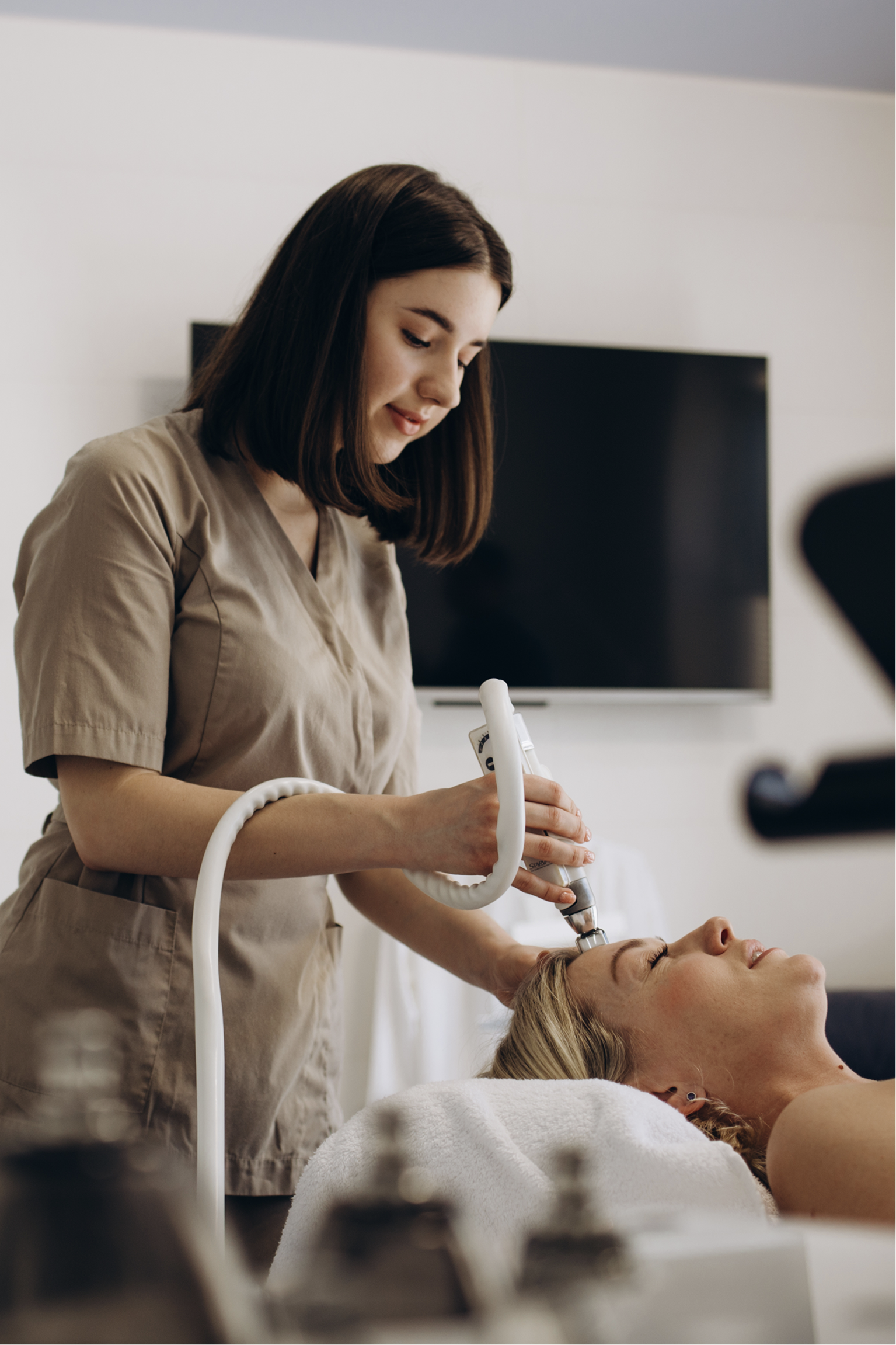
The MSO Model Is the Med Spa Industry’s Engine, But Only When Built Correctly
The MSO model is the most powerful structure in the medical aesthetics industry because it allows entrepreneurs without medical licenses to legally build, manage, and profit from med spas. But it is also the most misunderstood, misapplied, and frequently botched legal structure in the field.
Many MSO setups are copied, templated, or assembled by attorneys without healthcare regulatory expertise. These flawed structures expose med spas and their physicians to significant legal risk, including allegations of unlicensed medical practice, fee splitting, or improper control of clinical decision-making.
Our MSO structures are engineered from the ground up specifically for Florida medical aesthetics, built to satisfy not only the law but the enforcement expectations of Florida’s boards and regulators.

Why the MSO Model Exists, and Why It Matters
The MSO model was designed to create a legal separation between:
- the medical practice (which must be owned by a licensed provider)
and - the business operations (which may be owned by non-physicians)
This separation protects:
- physicians from business liability
- entrepreneurs from clinical liability
- the public from unsafe medical influence
- the structure from regulatory scrutiny
A properly designed MSO allows both parties to:
- collaborate
- grow
- innovate
- profit
without violating the corporate practice of medicine doctrine or Florida licensing laws.

How a Proper MSO Actually Works (Educational Breakdown)
The Clinical Entity
+
-
This is the physician-owned entity responsible for:
- medical evaluations
- treatment plans
- medical oversight
- delegation
- supervision
- prescribing
- chart review
Non-physicians cannot own this entity.
The MSO Entity
+
-
Owned by non-clinical owners, the MSO handles:
- marketing
- staffing (in compliant ways)
- payroll
- scheduling
- operations
- leasing real estate
- billing (non-clinical components)
- branding
- customer experience
- growth strategy
This entity may be owned by entrepreneurs or investors.
The Management Services Agreement (MSA)
+
-
The MSA is the legal linchpin.
A poorly drafted MSA is the #1 reason MSO structures fail.
Our MSAs include:
- detailed lists of services
- fair market value compensation
- protections for clinical independence
- dispute resolution pathways
- termination protocols
- financial separation
- operational boundaries
- HIPAA safeguards
These agreements are drafted with the depth normally reserved for major healthcare systems.

Financial Flow & Compensation Structure
One of the most complex areas of MSO design is compensation.
Improper MSO fees may be interpreted as:
- unlawful fee splitting
- kickbacks
- improper control of medical practice revenue
We engineer financial pathways that:
- are compliant
- protect both parties
- encourage growth
- preserve profitability
- stand up to regulatory review
Few attorneys understand the nuances here. We do.

Why Our MSOs Are Considered the Industry Gold Standard
Built specifically for aesthetics
+
-
General healthcare MSO templates are not enough.
Med spas require unique considerations around:
- devices
- injectables
- delegation
- credentialing
- protocols
- liability
Designed to withstand regulatory challenge
+
-
Our structures reflect how Florida regulators apply the law, not just the law itself.
Built for scalability
+
-
Investors prefer MSO structures.
We design yours with future expansion in mind.
Comprehensive & documented
+
-
We provide operational guidance, not just legal documents.

The Agreement That Defines Your Clinical Legitimacy, Built With Precision and Regulatory Expertise
In a med spa, the medical director is not simply a name on paper, they are the clinical authority, responsible for ensuring patient safety, provider compliance, and adherence to Florida law.
A weak, vague, or noncompliant medical director agreement is one of the greatest sources of liability for Florida med spas. Most agreements drafted without healthcare expertise fail to:
- define proper delegation
- specify obligations
- allocate liability correctly
- structure compensation legally
- protect the practice from physician misconduct
- protect the physician from business overreach
- incorporate Florida supervision requirements
- support advanced procedures like lasers or threads
Our agreements go far beyond generic contract language.
They are clinical governance frameworks.

Understanding the Role of a Medical Director in Florida
Unlike other states, Florida requires specific obligations from supervising physicians. A medical director or supervising provider must:
- maintain active involvement
- create and approve protocols
- ensure appropriate training
- oversee delegation
- conduct required chart reviews
- remain accessible during procedures
- evaluate patient safety systems
Many medical directors are unaware of these obligations.
We educate both the physician and the practice to ensure full compliance.

Deep Dive: What a Medical Director Agreement Must Include
Clearly Defined Clinical Oversight Duties
+
-
A medical director must:
- understand the risk profile of each treatment
- confirm that providers acting under delegation are competent
- review and approve treatment protocols
- oversee quality assurance
- manage complications and adverse events
- ensure charting aligns with legal standards
Our agreements outline these duties in meticulous detail.
Defined Supervision & Delegation Protocols
+
-
Florida law defines what tasks can be delegated to:
- RNs
- LPNs
- NPs
- PAs
- Aestheticians
We ensure these boundaries are clearly documented.
Proper Compensation Models
+
-
Compensation must comply with:
- fee-splitting laws
- fair market value standards
- anti-kickback principles (when applicable)
- corporate practice of medicine considerations
We engineer compensation models that reward performance but remain compliant.
Liability Allocation & Protection
+
-
We incorporate:
- indemnification clauses
- malpractice insurance requirements
- documentation responsibilities
- emergency protocols
These protect both the clinical and business entities.
Operational & Clinical Separation
+
-
The agreement must prevent improper influence over:
- clinical decision making
- prescribing
- patient assessment
- treatment selection
We create clear operational boundaries.

Why Our Medical Director Agreements Are Different
They include operational clarity
+
-
Not just legal language, real-world implementation.
They reflect real enforcement actions
+
-
We build documents that anticipate what regulators look for.
They protect both the business and the physician
+
-
Balanced, fair, and defensible.
They support advanced treatments
+
-
We include detailed guidance for injectables, lasers, threads, IV therapy, and other services.
This is not a simple contract.
It is a clinical compliance framework built to protect your med spa from every angle.

The Legal Blueprint That Governs Every Treatment Your Providers Perform
One of the most misunderstood and most critical areas of med spa compliance is the role of supervision and delegation for nurses and advanced practice providers. In Florida, the rules governing how RNs, LPNs, NPs, and PAs may practice, and under what level of supervision, are detailed, evolving, and heavily enforced.
Many med spas unknowingly operate outside the law, not because they intend to violate regulations, but because they misunderstand the nuanced interplay between:
- provider scope of practice
- physician delegation rules
- treatment-specific risk profiles
- physician availability requirements
- telemedicine guidelines
- chart review obligations
- competency assessments
A single misunderstanding, such as assuming an RN can initiate a treatment, or believing a PA can perform certain procedures independently, can create extensive legal exposure.
Our provider supervision protocols ensure your entire clinical team operates within the boundaries of Florida law, while maintaining efficiency, profitability, and patient safety.
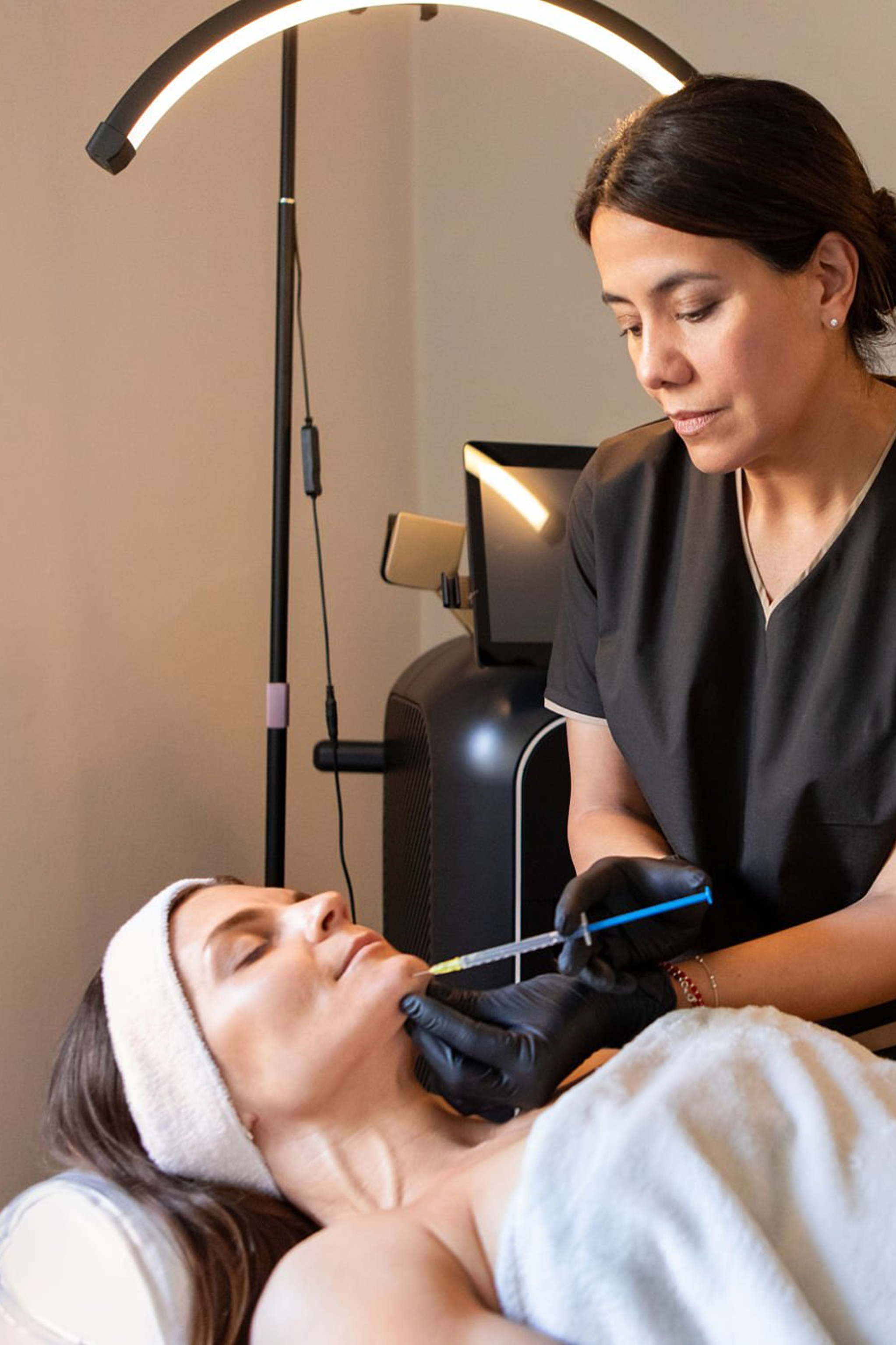
Understanding Scope of Practice: The Foundation of Safe Med Spa Operations
Each provider type has a specific statutory scope of practice in Florida. But these scopes are influenced by more than statutes, they are shaped by:
- Board of Medicine rules
- Board of Nursing rules
- Board of Osteopathic Medicine rules
- specific device guidelines
- manufacturer requirements
- standard-of-care considerations
- malpractice carrier expectations
For example:
- An RN may perform injections only if properly trained and delegated by a physician or NP/PA acting within their authority.
- NPs practicing autonomously have different documentation and evaluation requirements.
- PAs may perform certain medical functions but still require supervising physician involvement.
- Aesthetic providers must understand what they cannot do, not just what they can.
We create clear, treatment-specific supervision matrices so your team knows exactly who can do what, and under which conditions.

Delegation: A Clinical and Legal Decision, Not a Business One
Delegation is one of the most misunderstood concepts in medical aesthetics.
Physicians may delegate tasks only if:
- The task is within the physician’s own scope of practice
- The task is within the delegatee’s scope of practice
- The task is appropriate for delegation based on risk
- The physician ensures the individual is trained and competent
- The physician provides appropriate supervision
- The physician remains responsible for the medical care
This framework applies to every treatment, from injectables to lasers, microneedling to device-based therapies.
We help you create delegation protocols that:
- comply with Florida law
- incorporate manufacturer guidelines
- reflect standard-of-care safety practices
- satisfy insurance carrier requirements
- protect your providers and your business
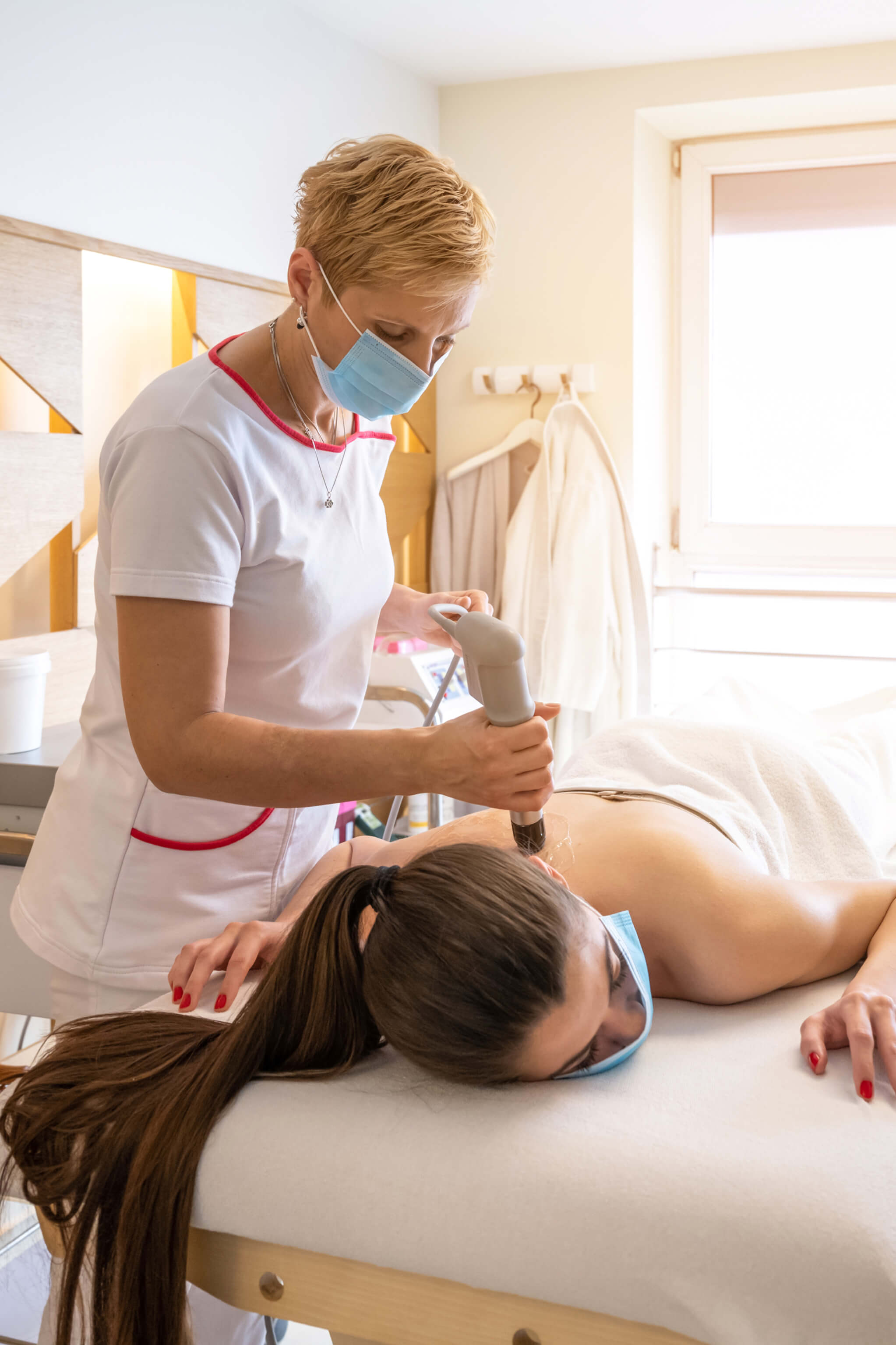
Supervision Requirements: More Than Simply Having a Medical Director
Florida law defines multiple levels of supervision:
- Direct Supervision – the supervising physician is physically present on the premises
- Indirect Supervision – the supervising physician is available by electronic means
- General Supervision – the supervising physician provides oversight but does not need to be physically present
Each treatment you offer must be properly categorized under the correct level of supervision, and this level must be documented, justified, and consistently applied.
Examples:
- Some aesthetic laser treatments require direct or onsite supervision
- Injectable neurotoxins and fillers typically require general or indirect supervision, depending on the provider level
- Threads, energy devices, and regenerative medicine often demand elevated oversight
We help you map out treatment-by-treatment supervision requirements, eliminating guesswork and ensuring clinical safety.
Competency & Training Requirements
Delegation is legally meaningful only when the physician ensures the provider is:
- trained
- competent
- evaluated
- documented
We create:
- competency checklists
- training logs
- evaluation pathways
- remedial training procedures
So your practice can prove, not just claim, compliance.
Chart Review & Clinical Documentation Requirements
Chart review is a legal obligation, not a suggestion.
Our protocols define:
- what must be charted
- how often charts must be reviewed
- what constitutes an adequate review
- documentation pathways that align with standard of care
- how to handle complications
- follow-up expectations
This protects your business and your providers from board complaints and malpractice claims.
How Our Supervision Protocols Support Growth
Our supervision systems:
- streamline operations
- reduce bottlenecks
- protect medical directors
- empower injectors and providers
- create a scalable clinical model
- integrate with MSO structures
Your med spa becomes not just compliant, but operationally optimized for growth.

Transforming Compliance Into a Competitive Advantage Through Clinical SOPs
Standard Operating Procedures (SOPs) are the backbone of any safe and successful medical spa. While many practices treat SOPs as optional documents or “nice-to-have” guidelines, in reality, SOPs are the foundation of:
- legal compliance
- patient safety
- risk mitigation
- provider training
- operational consistency
- insurance coverage
- practice valuation
- clinical excellence
Most med spas operate with incomplete, outdated, or generic SOPs that do not reflect Florida’s evolving legal requirements or the complexity of modern aesthetic devices.
We create comprehensive, treatment-specific SOPs that are tailored to your practice, your providers, your equipment, and your risk profile.
Why SOPs Are Legally Necessary in a Florida Med Spa
Florida regulators expect med spas to maintain clear protocols for every delegated treatment. SOPs help med spas:
- demonstrate provider competency
- show that delegation decisions were appropriate
- establish physician oversight
- defend care decisions during complaints or litigation
- meet malpractice insurance requirements
- support internal training programs
- standardize patient experience
In fact, many malpractice carriers will deny coverage if a med spa cannot produce treatment SOPs during a claim investigation.
What Makes Our SOPs Superior to Industry Templates
Most online templates fail because:
- they aren’t compliant with Florida law
- they don’t reflect manufacturer guidelines
- they don’t include risk mitigation strategies
- they don’t address patient selection criteria
- they don’t integrate supervision rules
- they don’t align with standard-of-care practices
- they don’t prepare the spa for adverse events
- they don’t differentiate between provider types
Our SOPs incorporate:
- regulatory requirements
- operational workflows
- treatment contraindications
- documentation expectations
- post-treatment care requirements
- complication management pathways
- device calibration and safety protocols
- emergency procedures
- cross-coverage responsibilities
These are the same elements used in hospital-level clinical guidelines, adapted for med spa operations.
How SOPs Improve Clinical Quality & Patient Experience
Exceptional SOPs result in:
- more consistent patient outcomes
- fewer adverse events
- better documentation
- reduced training time for new providers
- increased provider confidence
- faster onboarding
- standardization across locations
- enhanced patient trust
They also protect your brand by ensuring every provider, at every location, delivers care aligned with your standards.
SOPs as Tools for Scalability
When a med spa plans to expand, whether through multiple locations, franchising, or partnering with investors, SOPs become indispensable. They:
- ensure consistent service delivery across locations
- reduce liability in expansion operations
- increase investor confidence
- make acquisition processes smoother
- increase business valuation
SOPs transform your med spa from a provider-dependent operation into a system-dependent operation, which is essential for long-term growth.

Creating a Legally Defensible Framework for the Highest-Risk Treatments in Aesthetics
Injectable treatments are the cornerstone of most med spas, and the highest-risk category of services offered. Products like neurotoxins, dermal fillers, and biostimulators require:
- precise technique
- deep anatomical knowledge
- rigorous patient selection
- proper documentation
- clearly defined delegation
- strict adherence to FDA labeling
Complications such as vascular occlusions, infections, and adverse reactions can lead to devastating outcomes if not handled appropriately.
We build injectable protocols that combine:
- legal requirements
- clinical best practices
- risk mitigation strategies
- complication management
- supervision guidelines
- provider competency frameworks
These protocols serve as the roadmap your injectors need to deliver safe, compliant, and consistent care.

Why Injectable Protocols Are Essential for Med Spa Stability
Injectables are among the most commonly litigated treatments because they carry:
- the highest frequency of complications
- the highest level of patient expectation
- the highest likelihood of social media exposure
- the highest risk of irreversible damage
Regulators pay close attention to injector training, delegation, supervision, and documentation.
Our injectable protocols define:
- who can inject
- what level of supervision is required
- how training must be documented
- how evaluations must occur
- how complications are handled
- what must be charted
- how follow-ups are managed
These protocols ensure your injectors are not only skilled but legally protected.

How Florida’s Medical Boards, Device Guidelines, and Standard-of-Care Requirements Shape Safe Laser Use in Med Spas
Laser and energy-based devices are among the most powerful, profitable, and potentially dangerous treatments offered in med spas. They include:
- IPL (Intense Pulsed Light)
- Laser hair removal systems
- Fractional laser resurfacing
- CO₂ and Er:YAG lasers
- RF microneedling devices
- Radiofrequency tightening devices
- Ultrasound body contouring
- Energy-based cellulite devices
- Skin tightening platforms
These devices are heavily regulated because they carry significant risk when improperly used. Burns, scarring, hyperpigmentation, hypopigmentation, and permanent injury are all possibilities , and regulators know it.
Florida’s Boards of Medicine and Nursing take an extremely active role in investigating laser injuries. Nearly every investigation centers around the same root causes:
- improper supervision
- unlicensed operators
- insufficient training
- lack of protocols
- incomplete documentation
- unsafe patient selection
Our firm ensures your med spa avoids these high-liability pitfalls by building comprehensive, regulator-ready compliance frameworks.

Why Laser Compliance Is So Complex in Florida
Florida law does not specifically use the word “laser” in many statutes. Instead, regulators classify these treatments based on their risk profile and mechanism of action. That means the same device can require different levels of supervision depending on:
- wavelength
- energy output
- depth of penetration
- whether thermal damage is possible
- whether skin integrity is breached
- whether there is a risk of ocular damage
- the level of operator judgment required
Most med spas do not realize how nuanced these determinations are.
For example:
- Laser hair removal may require direct supervision, depending on the device and operator.
- Ablative laser treatments almost always require a higher-level provider or stronger oversight.
- IPL treatments require appropriate delegation and clear protocols for skin typing and fluence selection.
- RF microneedling crosses skin barriers and typically requires elevated medical oversight.
We create treatment-by-treatment supervision pathways that reflect Florida’s real-world enforcement patterns.
Training & Competency Requirements, Not Optional, Legally Mandatory
Training for laser and energy devices must be:
- documented
- verified
- supervised
- competency-based
A weekend course or online certification may not satisfy legal or standard-of-care expectations.
Our training protocols include:
- skill verification checklists
- ongoing competency assessments
- device manufacturer safety requirements
- emergency shutdown protocols
- ocular safety systems
- adherence to ANSI laser safety standards (where applicable)
This training creates defensible, regulator-compliant documentation.
Why SOPs and Physics-Based Parameters Matter
Regulators expect med spas to:
- know how their device works
- understand risks by skin type
- follow safe fluence ranges
- chart device settings
- establish pre- and post-treatment guidelines
We create SOPs that integrate:
- Fitzpatrick grading
- contraindications
- test spot guidelines
- energy parameters
- eye protection requirements
- smoke evacuation protocols
- device cleaning and sterilization steps
- cooling systems
- patient education
This elevates your treatments to a medical-grade standard and minimizes liability dramatically.
Correct Delegation: The Heart of Laser Compliance
Who can legally operate a device?
This is one of the most common, and dangerously misunderstood, questions in med spas.
In Florida:
- Laser techs have limited authority
- Aesthetician scope is restricted
- RNs require appropriate delegation
- LPNs have extremely narrow allowances
- Only NPs, PAs, or MD/DOs can perform certain treatments
- Supervision levels vary depending on the device
We clarify these boundaries and design a legally compliant delegation model for your spa.
How Laser Compliance Protects Your Med Spa
Proper laser compliance:
- reduces the risk of injury
- decreases malpractice claims
- prevents Board investigations
- ensures insurance coverage is not denied
- improves patient satisfaction
- protects your brand reputation
- ensures providers operate confidently and safely
Compliance is not an administrative burden, it is a strategic advantage.

A Deep Dive Into What NPs, PAs, and RNs Can Legally Do in Your Med Spa, and What They Cannot
One of the greatest sources of confusion (and liability) in med spas is understanding the true scope of practice for each provider type. These scopes are defined not only by statute but also by:
- board interpretations
- regulatory guidance
- case law
- manufacturer recommendations
- insurance carrier requirements
- standard-of-care expectations
A provider acting outside their scope, even unintentionally, can trigger:
- lawsuits
- license investigations
- Board action
- malpractice denials
- employment disputes
- medical director liability
Our firm provides comprehensive scope-of-practice reviews and creates customized scope matrices for your team.

Why Scope of Practice Is Not the Same as Delegation
Many med spa owners confuse delegation rules with scope-of-practice allowances.
Scope of practice: what a provider is legally allowed to do under their license
Delegation: what a supervising provider may assign, but only within the delegatee’s scope
Example:
A physician may be able to perform a procedure, but that does not automatically mean they can delegate it to a nurse.
This is where many med spas unintentionally violate the law.

Understanding Scope Across Provider Types
Nurse Practitioners (NPs)
+
-
NPs are advanced practitioners with prescriptive authority and the ability to diagnose and treat. However:
- certain procedures may require direct or physician supervision
- autonomous practice NPs have different documentation needs
- injectable and device-based treatments may require additional credentialing
- collaborative protocols may still apply
We map out exactly what your NPs can do within Florida’s evolving laws.
Physician Assistants (PAs)
+
-
PAs can perform a wide array of medical services but must operate under:
- a supervising physician
- a written supervisory protocol
- defined delegation boundaries
Certain procedures require explicit physician authorization, and some must be directly supervised.
We create PA protocols that balance autonomy with compliance.
Registered Nurses (RNs)
+
-
RNs can carry out certain delegated medical tasks but only when:
- the task is appropriate for delegation
- the RN is trained and competent
- the supervising provider has appropriate oversight
- the procedure does not require medical judgment beyond their scope
Many med spas illegally allow RNs to:
- independently assess patients
- determine treatment plans
- diagnose conditions
- perform advanced procedures without appropriate supervision
We eliminate these risks with clear boundaries.
LPNs, Aestheticians, and Laser Technicians
+
-
These individuals have the most restricted scopes.
Many med spas unintentionally violate scope laws by allowing them to:
- provide medical advice
- perform advanced laser treatments
- inject products
- chart medical assessments
- operate devices requiring professional judgment
Our scope reviews make sure roles are appropriate, legal, and safe.

Why Scope of Practice Isn’t Just Legal, It’s Operational
When providers understand their scope:
- workflows become efficient
- supervision becomes predictable
- complications decrease
- HR disputes diminish
- onboarding becomes seamless
We help med spas build role clarity, which improves safety, morale, and patient experience.

Protecting Patient Information in the Digital Age, A Crucial Obligation for Med Spas
HIPAA is far more than a set of guidelines, it is federal law. And while many med spa owners assume HIPAA applies only to large medical practices, any med spa that:
- provides medical treatments
- maintains patient records
- stores protected health information
- uses EMR or intake forms
- takes before-and-after photos
- sends appointment reminders
- communicates about treatment plans
is legally required to comply with HIPAA.
HIPAA violations are among the most expensive and reputationally damaging mistakes med spas make. And in the digital marketing era, the risks have multiplied.

Why HIPAA Is More Complex for Med Spas Than Most Healthcare Practices
Med spas have unique HIPAA challenges because they:
- rely heavily on photography
- use text messaging and DMs to communicate
- post patient images on social platforms
- participate in influencer collaborations
- use digital scheduling and CRM tools
- operate remote consultations
- utilize email marketing and retargeting ads
These activities blur the line between medical information and branding content.
A single improperly posted photo can trigger:
- HIPAA fines
- civil lawsuits
- board complaints
- viral social media exposure
We help your practice implement HIPAA in a way that supports your marketing goals rather than restricting them.

What Comprehensive HIPAA Compliance Includes
Administrative Safeguards
+
-
- privacy policies
- staff training
- access control
- breach response plans
- authorization workflows
Technical Safeguards
+
-
- encryption
- secure messaging
- device protection
- EMR compliance
- photo and image storage policies
Physical Safeguards
+
-
- access restrictions
- workstation privacy
- secure file storage
- locked record areas
Marketing-Specific HIPAA Solutions
+
-
We create compliant pathways for:
- before/after photos
- testimonials
- influencer collaborations
- user-generated content
- patient communication
- digital consent forms
We don’t just tell you what you can’t do, we create systems that let you market aggressively and compliantly.

Where Med Spas Get Into the Most Trouble, Marketing Claims, Misrepresentation, and Digital Compliance
Your website and marketing content are often the first areas regulators analyze when investigating a med spa. This is because advertising is considered a medical claim when it involves:
- aesthetic treatments
- injectables
- lasers
- devices
- wellness therapies
- weight loss programs
- hormones
- regenerative medicine
Florida law (and federal law through the FTC and FDA) prohibits:
- misleading statements
- claims of guaranteed results
- unproven efficacy claims
- comparison to surgical alternatives
- misleading safety information
- improper before/after photos
- false credentials
Most med spas are unaware that their website or social media could generate a board complaint even if the patient has never visited the practice.

Why Advertising Compliance Is So Important for Med Spas
Med spas rely heavily on digital marketing
+
-
Regulators know that advertising influences purchase decisions. They are particularly aggressive with claims around:
- Botox “preventing wrinkles permanently”
- Laser “permanent results”
- Fillers “lasting for years”
- Weight loss “miracle treatments”
- Hormone therapy “curing conditions”
Influencers pose a massive compliance risk
+
-
Any time an influencer discusses your services, their claims become your claims under FTC rules.
Before-and-after photos can be misleading
+
-
Regulators require realistic, honest, and representative images.
Testimonials must follow specific disclosure rules
+
-
Especially when there is compensation involved.
We evaluate your entire marketing ecosystem and neutralize risk.

What Our Website & Advertising Compliance Review Includes
Full legal audit of:
+
-
- website content
- blog posts
- treatment descriptions
- promotional language
- disclaimers
- landing pages
- paid ads
- scripts for staff
- email marketing
- social media captions
- influencer contracts
We ensure compliance with:
+
-
- Florida Board of Medicine rules
- Florida Board of Nursing rules
- FTC false advertising laws
- FDA marketing restrictions
- Consumer protection laws
- HIPAA requirements
We rewrite content to be:
+
-
- legally compliant
- conversion-optimized
- educational
- brand-enhancing
We protect your med spa from regulators and strengthen your marketing simultaneously.

Protecting Your Med Spa in the Most Legally Dangerous Area of Modern Marketing
Social media is the lifeblood of modern medical aesthetics. It drives awareness, shapes consumer perception, and serves as the primary channel through which med spas showcase their results. But it is also the platform where the highest number of regulatory and legal violations occur.
Florida med spas routinely face risks related to:
- misleading advertising claims
- HIPAA violations
- improper use of patient photos
- deceptive influencer marketing
- unapproved testimonials
- overstatement of results
- discussion of off-label usage
- making medical claims without evidence
A single Instagram post can trigger:
- a state board complaint
- an FTC investigation
- a HIPAA violation
- a demand letter from a patient
- viral negative exposure
- brand damage
This is why every modern med spa must operate with formalized social media policies and legally enforceable influencer agreements.
Why Social Media Requires Strict Governance in Med Spas
Most industries treat social media as advertising.
Med spas must treat it as medical advertising.
This distinction matters because:
- medical advertising is held to a higher standard
- claims must be supported by evidence
- disclaimers are required
- false or misleading statements create legal liability
- patient images qualify as protected health information
- influencer statements become your statements
- even emojis or hashtags can be considered claims
Regulators expect medical advertising to be balanced, honest, and non-deceptive. They apply scrutiny to:
- captions that over-promise
- visuals edited to enhance perceived results
- testimonials that imply guaranteed outcomes
- “miracle” claims
- statements suggesting safety superiority
- off-label marketing of devices or injectables
We audit and correct all these risks.
Influencer Partnerships: The Most Overlooked Legal Danger in Med Spas
Influencers and brand ambassadors are essential to aesthetic marketing, but they also create massive liability.
Under FTC law:
- influencer posts are considered endorsements
- influencers’ claims are your claims
- influencer compensation must be disclosed
- influencers cannot make unsubstantiated medical statements
- influencers cannot imply they received results that differ from typical outcomes
Most med spas allow influencers to post freely without:
- disclosure requirements
- claim restrictions
- brand guidelines
- review rights
- HIPAA safeguards
- content approval processes
We create influencer agreements that:
- protect your brand
- ensure compliant messaging
- legally mandate disclosure practices
- outline approval requirements
- prohibit misleading claims
- prevent unauthorized use of patient imagery
- establish payment and termination terms
This protects the med spa from regulatory action and enhances marketing consistency.

Creating a Legally Defensible Social Media Policy
Every employee, contractor, and influencer must follow a structured policy that details:
- what can be posted
- what cannot be posted
- how patient content is approved
- how testimonials are collected and shared
- how before/after photos must be handled
- what disclaimers must appear
- how channels are monitored
- who controls brand accounts
- penalties for violating policies
We build these policies with the precision expected in major corporate compliance programs.
The Result
You gain a compliant, powerful, and strategically consistent social media presence, free of legal risk and fully aligned with your brand.

The Backbone of Clinical Protection, Preventing Lawsuits Before They Begin
Consent forms are not paperwork.
They are medical-legal protection documents that shield your med spa from litigation, clarify patient expectations, and establish boundaries of responsibility.
In medical aesthetics, consent forms must be:
- specific to each treatment
- updated with evolving risks
- compliant with FDA labeling
- aligned with state supervision laws
- signed before each procedure
- consistent with documentation standards
- written in understandable language
Most med spas use generic or outdated consent forms, exposing themselves to:
- patient disputes
- chargebacks
- malpractice claims
- documentation failures
- insurance denials
We craft treatment-specific, legally optimized consent forms that elevate your risk protection to hospital-level standards.
Why Consent Forms Are Critically Important in Aesthetics
Unlike traditional healthcare:
- aesthetic patients have high expectations
- aesthetic procedures often have immediate visual impact
- patients compare outcomes online
- social media amplifies dissatisfaction
- before/after photos must match reality
- complications can be dramatic and visible
A comprehensive consent form:
- manages expectations
- documents risks
- clarifies the limits of the procedure
- protects against “I wasn’t told” claims
- explains downtime
- outlines possible outcomes
- establishes responsibility for aftercare
- reduces refund disputes
Consent forms prevent lawsuits far more effectively than insurance or training alone.
What Legally Effective Consent Forms Must Include
Our consent forms integrate:
- detailed risk descriptions
- realistic outcome expectations
- alternative treatment options
- complication management protocols
- photography consents
- refusal-of-care documentation
- supervision and delegation disclosures
- aftercare and follow-up requirements
- emergency contact information
- telehealth components when applicable
- legal disclaimers
- arbitration clauses (if desired)
Each consent is customized for treatments such as:
- Botox and neurotoxins
- dermal fillers
- RF microneedling
- IPL and lasers
- PDO threads
- chemical peels
- IV therapy
- weight loss medications
- Sculptra and biostimulators
Nothing is generic, everything is tailored.
Documentation That Supports Standard of Care
Consent is only half the equation.
Documentation proves that the standard of care was followed.
We establish:
- charting templates
- treatment worksheets
- photography guidelines
- progress note requirements
- adverse event logs
- follow-up instructions
- post-care messaging templates
In legal disputes, documentation wins cases.
We ensure your documentation is meticulous, organized, and defensible.

Legal Telehealth Pathways for Med Spas , Avoiding Improper Prescribing and Remote Evaluations
Telemedicine offers convenience, efficiency, and modernity. But it is also one of the most legally sensitive areas in aesthetics, especially in Florida, where prescribing rules and virtual evaluations are strictly enforced.
Telemedicine intersects with:
- HIPAA
- prescribing regulations
- medical evaluations
- patient identity verification
- supervision requirements
- charting standards
- Board of Medicine guidelines
Incorrect telemedicine use can invalidate:
- treatment plans
- prescriptions
- patient evaluations
- provider relationships
We build fully compliant telehealth frameworks for aesthetic practices.

Why Telemedicine Is Especially Risky for Med Spas
Many med spas mistakenly believe telehealth can replace in-person assessments for:
- injectables
- energy-based devices
- threads
- medical-grade treatments
However, some procedures require:
- physical examination
- in-person skin assessment
- evaluation of underlying anatomy
- direct provider involvement
We help you understand what can and cannot be done remotely.
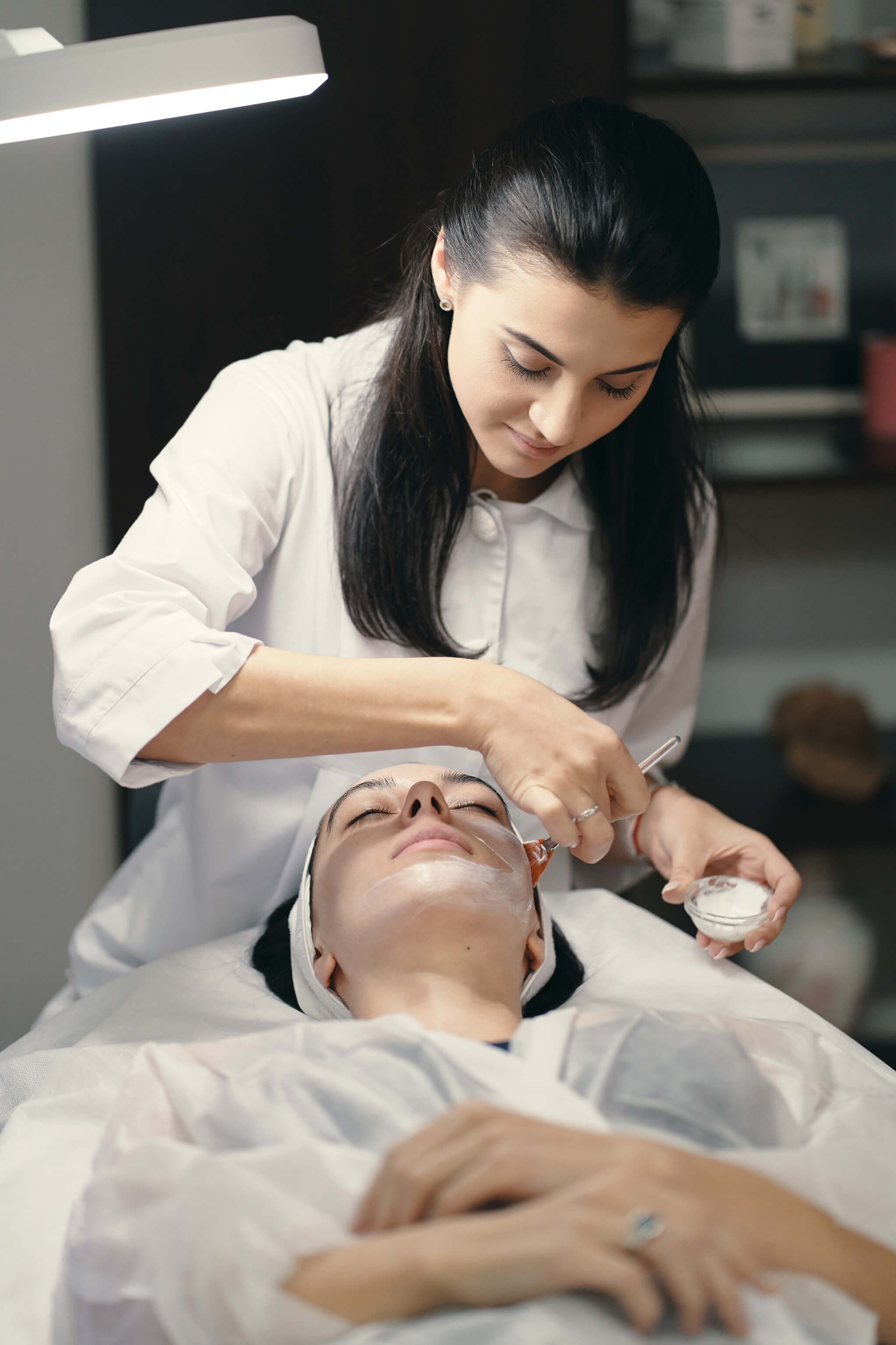
Building a Legally Compliant Telehealth Protocol
A compliant telemedicine pathway includes:
Identity Verification
+
-
Proving the patient is who they claim to be.
Location Verification
+
-
Patients must be physically in Florida.
HIPAA-Compliant Platform
+
-
FaceTime and Instagram Live are not compliant telehealth solutions.
Proper Evaluation
+
-
Sufficient to form a treatment plan.
Documentation
+
-
Clear chart notes from the virtual exam.
Follow-Up Requirements
+
-
Especially for injectables or medications.
Our telemedicine pathways integrate all these elements.

Prescribing Through Telehealth
Florida has specific limitations around prescribing:
- controlled substances
- weight loss medications
- hormone therapies
- antibiotics for complications
We help your med spa structure legal prescribing workflows that protect your providers and patients.

Protecting Your Med Spa From the Hidden Traps Inside Equipment and Vendor Contracts
Med spas routinely enter long-term, high-cost agreements for:
- lasers
- RF devices
- skincare lines
- membership platforms
- marketing software
- financing programs
- leasing arrangements
But these contracts often include:
- automatic renewal clauses
- restrictive termination policies
- equipment-performance disclaimers
- revenue-sharing models
- restrictive covenants
- ambiguous warranty terms
- one-sided liability language
- minimum-purchase requirements
Most med spas do not realize the risks until it is too late.
Our firm performs comprehensive vendor contract reviews that protect you from costly mistakes.

What We Look For in Vendor Contracts
We analyze:
- financial terms
- termination rights
- renewal clauses
- maintenance obligations
- equipment performance guarantees
- indemnity language
- exclusivity requirements
- training obligations
- warranties
- hidden fees
- marketing claims
- compliance with supervision requirements
We negotiate stronger protections for your med spa and ensure contracts align with your clinical goals.
Where Med Spa Culture, Compliance, and Risk Management Converge, Legally Engineered Employment Agreements
Employment agreements are far more than formalities in a Florida med spa. They are the architecture that determines how your people behave, how they are compensated, how protected your business is, and how disputes are resolved. In a medical aesthetics practice, they carry far greater legal weight because employees:
- perform medical tasks
- handle protected health information
- build patient relationships
- generate revenue
- represent the medical brand publicly
- are exposed to trade secrets and techniques
- operate under medical supervision frameworks
This means your employment agreement cannot be a generic business contract.
It must be a medical-legal contract, drafted with a precision normally associated with hospital systems or multi-location medical groups.
Our employment agreements are written to withstand regulatory scrutiny, employment disputes, commercial litigation, and the realities of high-volume aesthetic operations.

Why Employment Agreements Matter So Much in Florida Med Spas
Florida Is a High-Turnover, High-Talent-Competition State
+
-
Injectors, aestheticians, and RNs frequently move between practices, bringing:
- patient lists
- treatment preferences
- before/after portfolios
- personally built brand equity
Without an employment agreement, your patients, reputation, and proprietary knowledge can walk out the door with them.
Employment Law in Florida Favors Clarity, Not Ambiguity
+
-
Ambiguous agreements are often interpreted against the employer.
A well-crafted agreement protects:
- your intellectual property
- your training investments
- your confidential business strategies
- your protocols and techniques
Medical Oversight Creates Added Legal Risk
+
-
Employment agreements must align with:
- supervision requirements
- scope-of-practice laws
- delegation rules
- liability allocation
- documentation expectations
This ensures safety and compliance.

Key Legal Elements Our Employment Agreements Include
Detailed Role Descriptions Linked to Florida Scope-of-Practice Rules
+
-
We draft role descriptions tied directly to what the law permits:
- What an RN can and cannot do
- What an NP or PA can perform independently
- What requires physician oversight
- What cannot legally be delegated at all
This eliminates misunderstandings that lead to board complaints.
Compensation Structures That Are Both Competitive and Legal
+
-
Med spas rely heavily on:
- commission models
- revenue sharing
- bonuses
- productivity incentives
But in healthcare, these must avoid:
- fee splitting
- kickbacks
- improper referrals
We design incentive programs that are profitable and fully compliant.
Brand and Confidentiality Protections
+
-
We protect:
- proprietary injection techniques
- provider training
- patient relationships
- before/after galleries
- marketing strategy
- branding methods
- membership programs
- pricing models
- supplier relationships
Your competitive advantage stays yours.
Clear Termination, Transition, and Notice Provisions
+
-
Most med spa disputes arise not at hiring,but at departure.
We create smooth exit pathways that prevent:
- patient poaching
- sudden loss of providers
- disruption of clinical operations
- social media disputes
Strategic Value to the Med Spa
A strong employment agreement:
- stabilizes your workforce
- protects your patient base
- strengthens your brand
- improves provider retention
- significantly reduces legal spend
- creates a predictable, professional culture
- increases the value of the business long-term
Conversion-Focused Positioning
When med spa owners see our employment agreements, they instantly recognize they are receiving the level of legal sophistication used by major healthcare systems, tailored for aesthetics and designed to protect revenue, brand equity, and operational stability.

Preventing the $50,000–$250,000 Mistake: Legally Defensible Contractor Agreements for Med Spas
Independent contractor agreements in med spas are one of the most commonly mishandled legal documents. Med spas frequently classify injectors, aestheticians, or laser providers as contractors without understanding the strict rules governing classification.
Misclassification is not a small issue, it is a six-figure problem.
State and federal agencies may impose penalties for:
- unpaid taxes
- unpaid overtime
- benefits violations
- misclassified employee claims
- back wages
- interest and penalties
Our firm drafts contractor agreements that both satisfy legal standards and support the flexibility med spas need.
Regulatory Education: Why Proper Classification Matters
The IRS and Florida agencies look at whether a contractor:
- sets their own hours
- uses their own tools
- controls their work
- operates independently
- takes on financial risk
- can work with multiple businesses
- sets their own fees
- lacks direct supervision
In med spas, most injectors and technicians do not meet these criteria.
Which is why most DIY contractor agreements fail.
Florida-Specific Interpretation
Florida does not have a “bright line” test, regulators look at the total relationship. A provider who:
- uses your equipment
- follows your protocols
- works your hours
- answers to your clinical director
- receives your training
- builds your patient relationships
… is likely an employee in the eyes of the law.
Our agreements and legal structures are built to withstand Florida audits and investigations.

How Our Agreements Solve Classification Problems
We clearly define contractor autonomy
+
-
We provide contractors:
- control over scheduling
- control over certain business decisions
- the ability to work with other entities
- clarity on financial risk
- responsibility for their own insurance
We align clinical responsibilities with supervision laws
+
-
Even contractors performing medical tasks must comply with supervision rules.
We integrate:
- physician oversight
- charting standards
- delegation compliance
- competency verification
We structure compensation legally
+
-
We avoid compensation models that resemble:
- fee splitting
- wage manipulation
- disguised employment
We protect your med spa
+
-
Through:
- confidentiality clauses
- IP ownership
- patient non-solicitation
- dispute resolution
- termination protocols
Strategic Value to the Med Spa
Proper contractor agreements:
- reduce tax risk
- prevent lawsuits
- protect the brand
- safeguard patient relationships
- control long-term legal exposure
Med spas operating without compliant agreements are operating with unseen but enormous risk.
Conversion-Focused Positioning
Our agreements give entrepreneurs freedom and flexibility without exposing the business to legal disaster, a combination only a healthcare-specialized law firm can deliver.

Protecting Your Med Spa’s Most Valuable Assets, Patients, Reputation, and Talent
Med spas depend on:
- patient loyalty
- skilled injectors
- curated before/after portfolios
- proprietary techniques
- brand differentiation
When a provider leaves, especially a high-performing injector, the med spa risks losing:
- patients
- revenue
- intellectual property
- training investments
- confidential information
Non-compete and non-solicitation agreements are the legal shield that prevents this loss.

Why These Agreements Are Essential in Florida
Florida courts historically enforce well-drafted restrictive covenants, especially when:
- they protect legitimate business interests
- they are reasonable in time and scope
- they protect patient goodwill
- they protect confidential information
However, poorly drafted agreements are often struck down.
We craft restrictive covenants that are:
- enforceable
- strategically targeted
- fully compliant
- balanced and fair
- clearly tailored to the med spa industry

Regulatory and Operational Insight
Non-Competes
+
-
Prevent former employees from opening or working at a competing med spa within a defined area for a defined time.
Non-Solicitation Clauses
+
-
Prevent former employees from:
- taking patients
- recruiting your staff
- marketing against you
- leveraging inside knowledge
- diverting leads or membership clients
Confidentiality Agreements
+
-
Protect:
- pricing models
- marketing strategies
- proprietary protocols
- patient lists
- retention strategies
Florida-Specific Interpretation
Florida’s statute on restrictive covenants (§542.335) strongly supports:
- protecting patient relationships
- protecting confidential information
- protecting substantial training investments
We leverage the exact statutory language Florida courts expect.
Strategic Value to the Med Spa
A strong restrictive covenant:
- preserves revenue
- protects goodwill
- stabilizes growth
- reduces staff poaching
- prevents competitive cannibalization
- increases the value of your business
Conversion-Focused Positioning
Owners instantly recognize the value of airtight non-competes:
They prevent six-figure losses with a single document.

The Safety Infrastructure That Separates Medical-Grade Med Spas From High-Risk Operators
OSHA treats med spas not like salons or wellness spas, but like healthcare facilities. This distinction means your med spa must comply with the same federal safety requirements applied to clinics, dermatology offices, and outpatient medical centers.
OSHA compliance is not optional.
It is federal law.
Regulatory Education: What OSHA Requires From Med Spas
OSHA reviews:
- bloodborne pathogen exposures
- needlestick injuries
- sterilization practices
- sharps disposal
- PPE requirements
- sanitation protocols
- hazardous chemical handling
- employee training
- exposure control plans
- workplace safety reporting
Failure to comply can lead to:
- fines
- citations
- operational shutdowns
- patient injuries
- litigation exposure
Florida-Specific Interpretation
Florida regulators often cross-report violations.
An OSHA investigation can trigger:
- Board of Medicine review
- Board of Nursing involvement
- malpractice carrier scrutiny
- facility inspection
This amplifies the risk of non-compliance.
Operational Insight: How We Build OSHA Systems
We create:
- exposure control plans
- staff training programs
- sterilization protocols
- device cleaning logs
- infection control pathways
- emergency procedures
- reporting and documentation systems
These systems ensure clinical safety and streamline operations.
Strategic Value to the Med Spa
OSHA-compliant systems:
- reduce staff injuries
- decrease liability
- create predictable standards
- support accreditation
- increase patient trust
- enhance brand reputation
A safe practice is a scalable practice.
Conversion-Focused Positioning
We provide med spas with the same level of OSHA compliance typically seen in hospital outpatient centers, elevating your operation above low-caliber competitors.

If It’s Not Documented, It Can’t Be Defended , Building a Legally Bulletproof Charting System
Documentation is the single most important legal safeguard in a med spa.
Charting proves:
- appropriate assessment
- proper delegation
- supervised care
- informed consent
- treatment justification
- complication management
- follow-up compliance
Most med spas underestimate how detailed and structured charting must be, until they face a complaint or lawsuit.
Regulatory Education: What Florida Expects in Medical Records
Medical records must:
- clearly document evaluation
- specify delegation
- include treatment parameters
- outline device settings
- record complications
- show medical necessity if applicable
- include pre- and post-care instructions
- reflect informed consent
- meet HIPAA standards
Florida’s Boards review charts to determine whether:
- treatment was safe
- delegation was legal
- supervision occurred
- standard of care was followed
Poor charting equals legal vulnerability.
Operational Insight: Why Documentation Processes Matter
We create:
- charting templates
- checklists
- macros
- complication documentation pathways
- photography guidelines
- standardized treatment note structures
This ensures your providers:
- chart consistently
- avoid omissions
- protect themselves
- support defensible care
Strategic Value to the Med Spa
Proper charting:
- reduces malpractice risk
- supports insurer defense
- increases medical director confidence
- strengthens compliance systems
- increases business valuation
- enables scalable operations
- protects against regulatory action

The Revenue-Scaling Strategy Most Med Spas Use, And the Legal Risk They Rarely Understand
Memberships and subscription programs are among the most powerful revenue engines in the aesthetics industry. They create:
- recurring monthly revenue
- predictable cash flow
- stronger patient retention
- higher lifetime value
- smoother booking patterns
- increased loyalty
But few med spas realize these programs are governed by both healthcare regulations and consumer protection laws, especially in Florida, where enforcement of unfair billing practices, automatic renewal disclosures, and refund obligations is aggressive.
An improperly structured membership program can lead to:
- consumer complaints
- chargebacks
- Attorney General investigations
- class-action exposure
- violations under Florida’s Automatic Renewal Law
- unlawful billing practices
- deceptive advertising claims
- contractual invalidation
We design memberships that are not only compelling, but legally bulletproof.

Long-Form Explanation: Why Memberships Require Legal Engineering
Memberships in aesthetics often include:
- discounted injectables
- free facials
- product credits
- rollover balances
- auto-charging mechanisms
- cancellation terms
- prepaid services
Each of these elements triggers legal requirements.
Missteps can result in allegations of:
- deceptive practices
- unauthorized billing
- unlawful refusal to refund
- inconsistent contract enforcement
We help you avoid these pitfalls while maximizing revenue.

Regulatory Requirements Affecting Med Spa Memberships
Florida Automatic Renewal Law (ARL)
+
-
Florida requires that auto-renewing memberships:
- include clear, conspicuous disclosure
- are presented before checkout
- include cancellation instructions
- obtain affirmative consent
- provide a post-purchase confirmation
- allow simple cancellation methods
Failure to follow ARL can invalidate the contract entirely.
FTC Subscription Rules
+
-
National rules require:
- simple cancellation
- honest advertising
- avoidance of “dark patterns”
- easy-to-find terms
Healthcare Law Limitations
+
-
Memberships involving medical services must avoid:
- fee-splitting
- improper bundling
- prepayment for medical necessity services
- improper inducements
Digital membership platforms must be HIPAA secure when medical information is stored.
+
-
Digital membership platforms must be HIPAA secure when medical information is stored.
Operational Insight: Structuring Memberships for Scalability
We help med spas structure:
- pricing tiers
- credits
- rollover logic
- blackout dates
- discount structures
- cancellation pathways
- promotional language
- renewal practices
We ensure the program works operationally, not just legally.
Strategic Value to the Med Spa
Legally optimized memberships:
- reduce refund disputes
- eliminate chargeback risk
- provide consistent recurring cash flow
- increase client retention
- support higher valuations
- attract investors
- differentiate your brand
Conversion-Focused Positioning
Our firm turns your membership programs into profit engines that are:
- legally compliant
- revenue-optimized
- regulator-proof
- strategically structured
We transform risk into revenue.

Financial Protection Systems That Prevent Revenue Loss and Legal Exposure
Refunds, chargebacks, and no-show disputes are not minor inconveniences, they are legal, financial, and operational vulnerabilities that cost med spas thousands of dollars per month.
Most med spas lack:
- a written refund policy
- a legally enforceable cancellation policy
- proper disclosures
- signed consents tied to payment terms
- compliant chargeback documentation
- clear terms around prepaid packages or memberships
This leads to:
- revenue leakage
- negative reviews
- regulatory complaints
- payment processor disputes
- reputational damage
- unhappy patients
We engineer refund, chargeback, and no-show policies that protect your med spa while maintaining a luxury-level patient experience.
Regulatory Education: Why These Policies Must Be Legally Precise
Florida has strict consumer protection laws.
Any policy that is unclear, unfair, or misleading may be deemed:
- unenforceable
- deceptive
- illegal
Refunds involving medical treatments add complexity:
- results are subjective
- expectations vary
- “dissatisfaction” is not grounds for refund
- care must be documented
- disputes may trigger board complaints
We create policies that prevent those issues.
Florida-Specific Interpretation
Florida regulators expect:
- written terms
- disclosure before payment
- consistent application
- non-deceptive language
- fair terms for cancellation
- proper handling of prepaid services
Failure to disclose terms can void the policy entirely.
Operational Insight: How Policies Should Function in Your Spa
We help you design:
- front desk scripts
- check-in procedures
- payment consent forms
- cancellation notices
- timing windows
- membership guidelines
- clarity around product refunds
- complaint escalation processes
Your staff will know exactly what to say and document.
Strategic Value to the Med Spa
Strong financial policies:
- reduce revenue loss
- protect margins
- reduce staff uncertainty
- prevent disgruntled-patient escalation
- discourage frivolous complaints
- empower your team
- maintain brand integrity
Conversion-Focused Positioning
Our firm gives you the confidence and protection of a luxury medical facility, ensuring every dollar you earn stays in your business.

The Operational Blueprint That Creates Consistency, Compliance, and a Premium Patient Experience
A med spa is only as strong as its systems.
Staff training manuals are not optional, they are foundational.
Without written operational guidelines, med spas suffer:
- inconsistent patient experiences
- increased liability
- improper delegation
- compliance failures
- poor teamwork
- high turnover
- clinical risk
We develop comprehensive training manuals that unify:
- customer service
- clinical workflows
- compliance procedures
- documentation standards
- safety practices
- operational systems
These are the exact systems top med spa chains use to scale efficiently.
Long-Form Explanation: Why Manuals Are Essential for Med Spa Operations
Every employee, from front desk to injectors, must understand:
- how the practice operates
- what is expected legally
- how to document accurately
- how to escalate issues
- how to deliver a premium experience
- how to maintain compliance
Most med spas try to train verbally.
Verbal training is not legally defensible.
Florida requires:
- documented training
- written policies
- updated procedures
- proof of ongoing education
We create manuals that satisfy these requirements.
Florida-Specific Interpretation
Training manuals must reflect:
- Florida’s delegation laws
- scope-of-practice boundaries
- OSHA requirements
- HIPAA policies
- Board of Medicine expectations
- infection control demands
We integrate all of these.
Operational Insight
Our manuals include:
- step-by-step service protocols
- front desk service scripts
- phone and DM communication guidelines
- charting expectations
- sanitation and sterilization procedures
- onboarding checklists
- advanced troubleshooting
- adverse event escalation plans
These systems reduce training time by up to 70%.
Strategic Value to the Med Spa
Professional manuals:
- improve consistency
- reduce errors
- increase efficiency
- protect your medical director
- simplify onboarding
- elevate brand standards
- increase profitability
- support multi-location expansion
Conversion-Focused Positioning
Our manuals turn your med spa into a system-driven, scalable operation, the hallmark of top-performing aesthetic brands.

Scaling Your Med Spa With the Structure and Legal Sophistication Private Equity Expects
Expanding a med spa, whether through franchising, licensing, or opening new corporate-owned locations, requires Rockefeller-level corporate architecture combined with healthcare-grade compliance frameworks.
Most med spas attempt to expand with:
- incomplete agreements
- undocumented protocols
- inconsistent branding
- weak training systems
- non-compliant MSOs
- ill-prepared medical oversight
We create expansion strategies that are legally sound, scalable, and investor-ready.
Long-Form Regulatory Explanation
Expansion in aesthetics requires:
- compliant MSO structures
- multi-location supervision systems
- unified protocols
- physician coverage across markets
- national-consistency documentation
- licensure compliance in each state
- brand protection
- franchise-consumer protection compliance (FTC Franchise Rule)
Without proper legal groundwork, expansion can expose the business to:
- state AG investigations
- franchise violations
- unfair business practice claims
- operational collapse
- reputation damage
We prevent those risks by building your infrastructure correctly.
Florida-Specific Interpretation
Florida is an especially attractive expansion market but requires:
- proper physician delegation across multiple locations
- oversight systems for remote providers
- clear geographic separation of clinical entities
- compliant branding and licensing
- adherence to Florida’s strict consumer-protection laws
We ensure your model scales without sacrificing compliance.
Operational Insight: Building a Scalable Multi-Location System
We create:
- uniform SOPs
- consistent training manuals
- unified intake and consent forms
- centralized supervision protocols
- brand licensing frameworks
- clinical oversight models
- scalable HR policies
- replicable workflows
These are the systems private equity looks for in premium medical brands.
Strategic Value to the Med Spa
A legally sound expansion system:
- increases valuation dramatically
- attracts investors
- enhances brand visibility
- supports consistent outcomes
- minimizes operational risk
- allows for rapid market penetration
Conversion-Focused Positioning
We provide the exact legal and operational foundation that allows med spas to evolve from single-location boutiques into multi-location powerhouses.

The Preventative Medicine Your Med Spa Needs, Avoiding Board Investigations Before They Happen
Med spas operate in one of the most regulated sectors of the wellness and beauty industry. Regulatory audits are not luxuries, they are necessities for:
- risk mitigation
- operational improvement
- documentation accuracy
- staff compliance
- medical director oversight
- long-term stability
Most legal exposure comes not from intentional misconduct, but from accumulated small violations that eventually surface as:
- Board complaints
- patient disputes
- adverse events
- insurance investigations
- employment conflicts
We conduct comprehensive audits that identify, and correct, vulnerabilities before regulators or attorneys discover them.
Regulatory Education: What We Audit
Our audits review:
- supervision practices
- delegation structures
- telehealth protocols
- charting
- consents
- SOPs
- OSHA compliance
- HIPAA compliance
- marketing claims
- device operation
- membership agreements
- HR policies
- training documentation
This is extremely detailed, the same level of scrutiny regulators use.
Florida-Specific Interpretation
Florida’s Boards often penalize med spas for:
- undocumented delegation
- insufficient chart review
- incorrect supervision levels
- improper advertising
- unlicensed practice
- improper use of aestheticians
- ambiguous medical director roles
Our audits ensure you align directly with enforcement trends.
Operational Insight
We provide:
- correction plans
- documentation templates
- supervision maps
- training recommendations
- strategic legal fixes
- updated protocols
- action-oriented compliance plans
Your med spa becomes safer, more efficient, and legally protected.
Strategic Value to the Med Spa
Regulatory audits:
- reduce legal exposure by up to 80%
- protect your medical director
- prepare your practice for growth
- ensure consistent operations
- strengthen brand reputation
- prevent costly shutdowns

A Comprehensive Legal Defense Strategy That Protects Your Med Spa From the Most Costly Risks in Aesthetics
In the world of aesthetic medicine, malpractice exposure is not theoretical, it is constant, operational, and directly tied to daily decisions made by your providers, front desk staff, and leadership.
A single complication, even when handled properly, can lead to:
- Board of Medicine or Nursing investigations
- malpractice claims
- negative online reviews
- patient refund demands
- reputation damage
- litigation
- medical director liability
- insurance premium increases
Our approach to malpractice risk reduction is not limited to insurance selection, it is a foundational risk-management infrastructure that transforms your med spa from a vulnerable business into a legally fortified, medically governed, safety-centered organization.

Long-Form Explanation: Why Aesthetic Malpractice Risk Is Unique
Med spa procedures carry unique risks compared to general medicine:
Aesthetic patients are more comparison-driven
+
-
Outcomes are judged visually and socially, which increases dissatisfaction risk.
Treatments carry immediate, visible consequences
+
-
Burns, bruising, asymmetry, scarring, and occlusions generate immediate alarm.
Patients often misunderstand the limits of aesthetic medicine
+
-
Expectations may be unrealistic unless carefully managed.
Procedures are elective, not medically necessary
+
-
This makes legal scrutiny more intense and refund demands more common.
Photographic evidence creates legal vulnerability
+
-
Before-and-afters, social media posts, and patient selfies all become evidence.
We help med spas create clinical and operational systems that reduce these vulnerabilities.

Regulatory Education: How Regulators Investigate Aesthetic Complications
Florida’s Boards look for:
- proper delegation
- appropriate supervision
- adequate documentation
- informed consent
- training and competency evidence
- device settings
- timely response to complications
- correct post-care guidance
If any of these are missing or inconsistent, the Board presumes negligence.
We build your infrastructure to meet these expectations.
Operational Insight: The Key Components of Our Risk Reduction Framework
Treatment-Specific SOPs
+
-
Protocols reduce variability and protect staff.
Injectable and Laser Safety Programs
+
-
Including emergency pathways, adverse event kits, and device calibration logs.
Comprehensive Consent Systems
+
-
Reduce “I wasn’t told” claims.
Documentation Templates
+
-
Support legal defenses in complaints or litigation.
Ongoing Provider Training Programs
+
-
Showing regulators proactive oversight.
Patient Selection Guidelines
+
-
Avoid high-risk candidates who are likely to complain or litigate.
Complication Response Pathways
+
-
Clear steps for burns, occlusions, infections, and more.
Florida-Specific Interpretation
Florida regulators expect:
- real involvement from medical directors
- consistent charting
- accurate supervision
- documented competency
We ensure your systems satisfy these expectations, not generic national templates.
Strategic Value to the Med Spa
Our malpractice infrastructure:
- reduces incidents
- strengthens legal defense
- improves patient outcomes
- increases provider confidence
- lowers insurance premiums
- enhances your brand reputation
Operational Insight
We provide:
- correction plans
- documentation templates
- supervision maps
- training recommendations
- strategic legal fixes
- updated protocols
- action-oriented compliance plans
Your med spa becomes safer, more efficient, and legally protected.
Conversion-Focused Positioning
Med spa owners trust us because we provide what malpractice insurance never can:
preventative protection at every operational level.
The Essential Legal Framework for Safely and Compliantly Offering Aesthetic Treatments Beyond FDA-Labeled Indications
Nearly every category of medical aesthetic treatment involves some level of off-label use:
- Botulinum toxin in non-FDA areas
- Dermal fillers in tear troughs or temples
- Biostimulators for skin tightening
- Microneedling devices at advanced depths
- Lasers for non-approved indications
- PRP for aesthetic applications
- Threads for areas beyond initial clearance
Off-label use is legal, but only when performed within strict clinical and legal boundaries.
Our FDA and off-label use guidance helps med spas safely expand their treatment offerings while staying fully compliant with:
- FDA marketing limitations
- standard of care
- manufacturer instructions
- supervision laws
- informed consent requirements
Long-Form Explanation: Why Off-Label Use Requires Expert Oversight
Off-label use becomes legally problematic when:
- advertised improperly
- presented as “FDA-approved” when it’s not
- performed without adequate training
- performed without disclosures
- done outside provider scope
- not documented properly
We help med spas avoid these pitfalls while continuing to offer innovative treatments.
Regulatory Education: The Difference Between Off-Label Use and Illegal Promotion
Off-label use is legal
Off-label marketing is not.
FDA prohibits marketing a treatment as:
- FDA-approved when it is not
- equivalent to a surgical outcome
- universally safe without risk disclosure
- guaranteed in its outcomes
- medically superior without evidence
We audit your marketing to ensure it stays compliant.
Florida-Specific Interpretation
Florida regulators expect:
- honest patient communication
- transparency about off-label risks
- consistency between marketing and documentation
- proper training for providers
- adherence to manufacturer guidelines
We ensure your practice meets these expectations.
Operational Insight: Our Off-Label Legal Framework Includes
- treatment-specific consent forms
- off-label discussion scripts
- marketing language review
- provider training documentation
- risk stratification guidelines
- supervision and delegation pathways
These components protect your med spa while enabling advanced services.
Strategic Value to the Med Spa
Off-label use guidance:
- expands your service offerings
- enhances competitiveness
- allows differentiation
- protects medical directors
- supports advanced practitioners
- reduces marketing risk
- supports legal defensibility
Conversion-Focused Positioning
We allow you to innovate boldly, with the legal protection of an elite healthcare regulatory authority.

Engineering Med Spa Growth With Legal and Corporate Architecture Designed for Scale and Valuation
Selling a med spa, merging with another practice, or expanding into new markets requires far more than enthusiasm and ambition, it requires sophisticated legal frameworks and corporate strategy.
Our firm handles:
- mergers
- acquisitions
- equity investment
- private equity positioning
- multi-location expansion
- partner buy-ins and buy-outs
- full practice sales
We transform med spas into scalable, acquirable medical enterprises ready for high-level growth.
Long-Form Explanation: Why M&A in Aesthetics Is Complex
Buyers and investors care about:
- compliant MSO structures
- clean documentation
- strong financial systems
- patient retention
- provider stability
- IP ownership
- restrictive covenants
- medical oversight
- OSHA/HIPAA compliance
- employment agreements
Without these elements, valuation plummets and deals collapse.
We ensure your med spa is architected for acquisition-grade due diligence.
Regulatory Education: How M&A Interacts With Healthcare Law
Healthcare M&A must consider:
- CPOM (corporate practice of medicine)
- medical director obligations
- supervision models
- delegation frameworks
- professional entity structuring
- brand licensing
- clinical governance
We ensure your transaction complies with Florida’s healthcare laws at every stage.
Florida-Specific Interpretation
Florida’s unique rules for:
- telehealth
- delegation
- supervision
- advertising
- professional ownership
… directly impact valuation.
We create M&A structures optimized for Florida’s regulatory landscape.
Operational Insight: What We Build
We provide:
- due diligence audits
- financial and legal cleanup
- corporate restructuring
- MSO optimization
- clinical governance formalization
- investor-ready compliance documentation
Your med spa becomes attractive to high-level buyers.
Strategic Value to the Med Spa
Our M&A services:
- increase valuation
- simplify buyer negotiations
- position your spa for expansion
- protect selling physicians and owners
- enable private equity buyouts
- support multi-location scaling
Conversion-Focused Positioning
Whether you’re expanding or preparing for a future sale, we build the legal and operational infrastructure that commands the highest valuations.

A Structured Legal Response System That Turns Complaints Into Contained, Documented, Resolved Events
Patient complaints are not just customer service issues, they are legal events that must be handled with precision.
Improperly managed complaints can escalate into:
- Board of Medicine or Nursing investigations
- negative online reviews
- malpractice claims
- refund disputes
- chargebacks
- social media attacks
- attorney involvement
We build an internal complaint-handling system that transforms chaos into calm, compliant resolution.
Long-Form Explanation: Why Complaints Must Be Managed Legally
A patient complaint is often followed by:
- calls for refunds
- demands for “fixes”
- threats to file complaints
- emotional reactions
- safety concerns
- documentation challenges
If your staff says the wrong thing, or charts incorrectly, the situation escalates.
We protect you by providing:
- scripts
- documentation pathways
- escalation procedures
- medical follow-up guidelines
- adverse event reporting templates
Regulatory Education
Boards investigate:
- whether delegation was legal
- whether supervision was adequate
- whether consent was informed
- whether follow-up was timely
- whether documentation was complete
- whether warnings were provided
We ensure your response system satisfies these criteria.
Florida-Specific Interpretation
Florida regulators expect:
- prompt communication
- medical director involvement
- consistent documentation
- full disclosure of complications
- avoidance of deceptive practices
We create a system aligned with these expectations.

Operational Insight: The Four-Phase Complaint Management Protocol
Reception & Acknowledgment
+
-
Staff receive, document, and escalate the complaint properly.
Clinical Evaluation
+
-
The provider assesses whether a complication occurred.
Corrective Action
+
-
Treatment, referral, or follow-up.
Documentation & Closure
+
-
Everything is documented to protect the practice.
Strategic Value to the Med Spa
An elite complaint system:
- prevents escalation
- protects your reputation
- reduces legal exposure
- improves patient trust
- supports medical director oversight
- strengthens your defense if complaints occur
Conversion-Focused Positioning
We help med spas manage complaints with grace, professionalism, and legal precision, protecting your reputation and your bottom line.

When Something Goes Wrong, Every Second , and Every Word, Matters
Crisis events in med spas include:
- burns
- bruising
- vascular occlusions
- infections
- allergic reactions
- device malfunctions
- patient collapses
- emotional escalations
- negative viral content
How these events are handled determines whether:
- the situation resolves smoothly
or - turns into a legal, regulatory, or PR disaster
We build Crisis Management & Incident Response Systems tailored to the aesthetic industry.
Long-Form Explanation: The Nature of Crisis in Aesthetic Medicine
Aesthetic crises are uniquely challenging because:
- procedures are elective
- emotions are high
- expectations are high
- complications are visible
- social media magnifies everything
- legal exposure increases instantly
Handling a crisis without a formal legal protocol is dangerous.
We prevent missteps through proactive planning.
Regulatory Education
Regulators look for:
- timely medical evaluation
- documentation of adverse events
- consistency with protocols
- appropriate delegation
- supervision involvement
- follow-up instructions
- honesty with patients
We build systems that address these requirements.
Florida-Specific Interpretation
Florida’s Boards require:
- documenting any adverse event
- appropriate physician involvement
- correct reporting when necessary
- charting that reflects medical rationale
We help med spas meet these expectations flawlessly.
Operational Insight: Crisis Management Systems Include
- emergency protocols
- provider response pathways
- patient communication scripts
- documentation requirements
- escalation to medical director
- internal review procedures
- staff retraining workflows
Strategic Value to the Med Spa
A strong crisis system:
- protects your brand
- maintains patient trust
- safeguards your providers
- strengthens insurance claims
- reduces regulatory exposure
- creates clinical consistency

Elite Representation Before Florida’s Healthcare Boards, Protecting Your License, Your Reputation, and Your Med Spa’s Future
When a complaint is filed with the Florida Board of Medicine or the Florida Board of Nursing, it becomes one of the most serious, stressful, and high-stakes events a med spa can face.
Most med spa owners, providers, and medical directors don’t realize that:
- Board investigations are formal legal proceedings
- Every word in your response may be used against you
- Even “minor” issues can lead to discipline
- Board actions become part of public record
- A single complaint can shut down a med spa
- Insurance companies, banks, and partners review disciplinary history
- A poor response is often worse than the original complaint
- Many providers unknowingly self-incriminate
Our firm provides aggressive, protective, and deeply informed representation for physicians, NPs, PAs, RNs, and med spas facing Florida board investigations. This is not general legal work, it is highly specialized healthcare regulatory defense.

Long-Form Explanation: Understanding the Board Complaint Process
In Florida, when a complaint is filed, it triggers:
Initial Screening
+
-
The Board determines whether the complaint alleges a potential violation.
Investigation
+
-
This may include:
- subpoenas
- chart audits
- interviews
- undercover visits
- review of social media
- review of marketing claims
- review of delegation practices
- review of supervision logs
Probable Cause Panel
+
-
A panel of Board members decides whether to pursue disciplinary action.
Formal Administrative Proceedings
+
-
This may involve:
- settlement negotiation
- administrative hearings
- formal responses
- mitigation evidence
- expert witness testimony
Final Board Decision
+
-
Potential outcomes include:
- dismissal
- letter of guidance
- reprimand
- fines
- continuing education requirements
- probation
- restricted practice
- suspension
- revocation
Our goal: Terminate complaints early, quietly, and with minimal impact.
Regulatory Education: What Do Boards Look For in Med Spas?
Florida’s healthcare boards investigate issues such as:
- improper delegation
- inadequate supervision
- practicing outside scope
- improper advertising
- injection complications
- laser burns
- patient dissatisfaction
- telemedicine violations
- unlicensed activity
- improper charting
- insufficient consent
- device misuse
- failure to document complications
Many of these issues arise from operational misunderstandings, not malicious intent.
We defend you by showing regulators:
- proper protocols
- documentation
- training
- corrective action
- compliance programs
This is why med spa owners must partner with attorneys who understand both healthcare law and med spa operations.
Florida-Specific Interpretation
Florida’s boards are known for:
- aggressive enforcement
- strict delegation rules
- heavy focus on aesthetics
- strict advertising review
- scrutiny of physician supervision
- proactive investigation of social media
We leverage deep familiarity with Florida enforcement trends to build the strongest possible defense strategy.
Operational Insight: How We Defend You
We manage:
- communications with investigators
- written responses
- interviews and statements
- document preparation
- chart analysis
- protocol review
- medical director involvement
- corrective action plans
- expert testimony
- representation at hearings
We also strengthen your compliance systems to prevent future complaints.
Strategic Value to the Med Spa
Effective board defense:
- protects provider licenses
- protects the med spa’s ability to operate
- preserves brand reputation
- prevents revenue loss
- increases stability
- improves compliance
- reduces malpractice exposure
The difference between keeping your license and losing it often comes down to having elite regulatory representation.
Conversion-Focused Positioning
Med spa owners choose us because we provide more than defense, we provide clarity, confidence, and control during the most stressful moment of their career.
We are your med spa’s shield when everything feels at risk.

The Long-Term Legal Framework That Keeps Your Med Spa Compliant, Protected, and Investor-Ready
Once your med spa is formed, structured, and operational, legal oversight does not end , in fact, it becomes even more important.
Healthcare businesses require continuous corporate governance to ensure:
- regulatory compliance
- proper documentation
- financial legality
- risk reduction
- stable operations
- adherence to state laws
- enforceable contracts
- medical oversight
- investor readiness
Our firm provides ongoing legal maintenance that keeps your med spa professionally managed, regulator-proof, and positioned for long-term growth.
Long-Form Explanation: What Corporate Governance Means in Healthcare
Corporate governance refers to the systems and processes that ensure your business:
- complies with healthcare laws
- meets corporate legal requirements
- properly documents decision-making
- maintains clean ownership records
- aligns with its MSO structure
- manages risk consistently
- updates policies as laws change
- maintains defensible operational systems
In med spas, governance failures often lead to:
- board complaints
- medical director disputes
- partner conflicts
- regulatory investigations
- lawsuits
- inability to sell the business
- loss of corporate protections
We ensure your governance is impeccable.
Regulatory Education: Annual Requirements Often Overlooked by Med Spas
Florida med spas must maintain:
- updated operating agreements
- annual minutes
- corporate resolutions
- MSO and MSA updates
- delegation protocols
- supervision documentation
- credentialing and licensure updates
- HIPAA and OSHA audits
- advertising compliance reviews
- membership program updates
- consent and charting updates
- employment manual revisions
Most med spas unintentionally become noncompliant within their first year of operation.
We prevent this.
Florida-Specific Interpretation
Florida regulators expect:
- clear separation between medical and non-medical entities
- ongoing physician involvement
- accurate practice ownership
- updated medical delegation
- current advertising and social claims
- compliant membership programs
- consistent documentation
We update your systems annually to meet these expectations.
Operational Insight: What Annual Legal Maintenance Includes
- entity compliance reviews
- medical director oversight analysis
- SOP and consent updates
- staff training refreshers
- supervision and delegation evaluations
- employment agreement updates
- website and marketing compliance audits
- regulatory change alerts
- contract renewal reviews
- membership program revisions
- patient documentation audits
- risk and liability assessments
Your med spa remains legal, stable, and efficient.
Strategic Value to the Med Spa
Annual governance:
- prevents future legal issues
- supports multi-location growth
- reassures investors
- protects owners and medical directors
- strengthens your brand
- maintains valuation
- reduces overall legal risk
Strong governance is essential for long-term success, and often overlooked by competitors.
Conversion-Focused Positioning
Our ongoing maintenance programs transform your med spa into a compliance-driven, professionally governed, investor-ready medical enterprise.
This is the level of sophistication that differentiates the top 1% of med spa brands from the rest of the industry.
Aesthetic AI Is Transforming Patient Experience, But It Introduces HIPAA, FTC, and FDA Liability Most Med Spas Don’t See Coming
AI is rapidly reshaping the medical aesthetics landscape. From automated facial analysis tools to AI-driven treatment recommendations, chatbot-based consultations, and before-and-after predictive modeling, technology is elevating both patient experience and practice efficiency.
But AI in aesthetics also creates significant legal challenges that most med spas overlook, including:
- HIPAA privacy exposure
- FTC false advertising risks
- FDA regulatory concerns when AI influences medical decision-making
- Data storage and cybersecurity requirements
- Liability for misdiagnosis or inaccurate predictions
Our firm ensures you can use cutting-edge AI tools without exposing your med spa to catastrophic risk.

Regulatory Education: The Three Agencies That Police AI in Med Spas
HIPAA
+
-
AI tools that process patient images, skin scans, or consultation information must be HIPAA compliant.
Many popular aesthetic AI apps are not.
FTC (Federal Trade Commission)
+
-
FTC enforces truth-in-advertising laws.
AI predictions cannot be marketed as guarantees or scientific outcomes unless backed by evidence.
FDA (Food & Drug Administration)
+
-
If AI influences or replaces medical judgment, it may be considered a regulated medical device.
We evaluate your AI ecosystem against all three.
Florida-Specific Interpretation
Florida regulators increasingly scrutinize:
- misleading digital claims
- AI-generated advertising content
- “virtual consultations” that resemble unlicensed medical practice
- AI-based triage systems
We ensure compliance with Florida’s strict medical advertising and supervision rules.
Operational Insight
We help med spas:
- vet AI vendors for compliance
- implement HIPAA-secure workflows
- design safe digital intake pathways
- review AI-based treatment suggestions
- integrate disclaimers into marketing
- build staff protocols around AI usage
Strategic Value to the Med Spa
Proper AI compliance:
- enhances patient trust
- supports sophisticated branding
- protects against FTC/FDA violations
- avoids HIPAA data breaches
- increases operational efficiency
Conversion-Focused Positioning
We transform AI from a legal hazard into a competitive advantage, allowing your med spa to use the industry’s most advanced technologies with confidence and compliance.

Protecting Your Med Spa From Cyber Threats, HIPAA Violations, and Digital Vulnerabilities in an Era Where Data IS Liability
Modern med spas collect more sensitive patient information than many traditional healthcare clinics. High-resolution facial images, personalized treatment plans, intake forms, payment data, and private communications all flow through digital systems that are increasingly targeted by cybercriminals.
Cybersecurity is no longer an IT issue, it is a core legal compliance issue that requires medical-grade governance. A single breach can trigger:
- HIPAA investigations
- Federal Trade Commission (FTC) enforcement
- Florida data breach notification penalties
- Class-action lawsuits
- Insurance coverage denial
- Irreversible brand damage
Our firm builds digital compliance ecosystems that shield your med spa from cyber threats and regulatory exposure.

Long-Form Explanatory Content: Why Cybersecurity Matters Deeply in Aesthetics
Med spas are uniquely vulnerable because they operate at the intersection of:
- luxury services
- high-volume patient communication
- online booking
- digital photography
- before-and-after content
- Instagram-driven patient interaction
- cloud-based EMRs
- mobile device usage
Unlike large hospital systems, med spas often lack formal IT departments or cybersecurity infrastructure, yet they hold the same categories of protected information, if not more visual and identity-sensitive.
This creates a perfect storm of legal exposure:
- Photos may qualify as PHI (Protected Health Information)
- Payment and ID data require multi-layer protections
- Communication via text or DM may violate HIPAA
- Third-party software may store patient data without legal safeguards
We help med spas build HIPAA-grade digital systems that meet federal and state expectations.

Regulatory Education: Understanding the Laws That Govern Your Data
HIPAA Security Rule
+
-
Requires administrative, physical, and technical safeguards to protect electronic PHI.
FTC Data Security Standards
+
-
Applies to med spas regardless of whether they qualify as HIPAA-covered entities.
If you handle consumer data, the FTC governs you.
Florida Data Breach Notification Act
+
-
Florida requires:
- reporting certain breaches within 30 days
- notifying affected patients promptly
- imposing penalties for delay or concealment
PCI Compliance (credit card processing)
+
-
Required for any business accepting digital payments.
Florida-Specific Interpretation
Florida regulators are extremely sensitive to:
- improper storage of patient photography
- non-secure texting or DMs
- EMRs lacking access controls
- cloud software without BAAs
- shared staff logins
- unsecured Wi-Fi networks
We design systems specifically aligned with Florida’s heightened privacy expectations.
Operational Insight: How We Fortify Your Digital Infrastructure
We provide:
- HIPAA security assessments
- software and vendor compliance reviews
- device usage protocols
- encryption and access control strategies
- secure photography workflows
- cyber liability insurance evaluation
- breach response policies
- staff training guidelines
Your med spa gains a digital ecosystem engineered for safety, legality, and operational efficiency.
Strategic Value to the Med Spa
A strong data compliance framework:
- protects your entire brand
- reassures high-value patients
- prevents costly breaches
- improves insurer confidence
- safeguards your reputation
Today’s consumers choose med spas that feel safe, modern, and compliant.
Conversion-Focused Positioning
We help med spas signal to patients, regulators, and strategic partners that they operate with the same digital security standards as premier medical systems, creating instant trust and long-term protection.

Medication Handling in Med Spas Is a Regulatory Minefield, We Build the Systems That Protect You From FDA, DEA, and Pharmacy Board Scrutiny
Modern med spas dispense, store, and administer a wider variety of medications than ever before. From numbing agents to compounded injectables, peptide therapies, post-care prescriptions, IV formulations, and weight loss medications, every one of these carries legal responsibilities.
Improper dispensing can lead to:
- FDA warnings
- Board of Pharmacy violations
- DEA investigations
- patient injuries
- malpractice claims
- criminal penalties
Our firm creates medical-grade medication handling systems compliant with Florida law.

Long-Form Explanatory Content: Understanding Medication Risk in Aesthetics
Med spas frequently underestimate the complexity behind:
- compounding pharmacy relationships
- physician dispensing laws
- medication storage
- controlled substance access
- labeling and packaging requirements
- safe inventory management
- medication expiration tracking
- telehealth prescribing limitations
Patients assume the med spa is practicing medicine safely.
Regulators assume the opposite unless your documentation proves compliance.
We ensure your systems withstand inspection, complaint, or litigation.

Regulatory Education: Who Regulates What?
FDA Oversight
+
-
Regulates compounding, labeling, and off-label promotion.
DEA Requirements
+
-
Regulates controlled substances, secure storage, and prescribing rules.
Florida Board of Pharmacy
+
-
Controls dispensing standards, storage, labeling, and handling.
Florida Board of Medicine
+
-
Regulates delegations, training, and physician oversight.
Florida-Specific Interpretation
Florida requires:
- proper logs of all dispensed medications
- accurate labeling including physician info
- strict storage controls
- appropriate delegation for administration
- temperature-controlled storage when required
- pharmacy-compliant partnerships
Med spas often unknowingly violate these laws by:
- giving patients prescription-strength topicals incorrectly
- storing medications in unlocked rooms
- failing to track expiration dates
- allowing RNs to dispense medications outside scope
We eliminate these risks.
Operational Insight
We build:
- dispensing workflows
- labeling standards
- medication inventory systems
- provider prescribing pathways
- emergency medication protocols
- documentation templates
- compounding pharmacy vetting checklists
Strategic Value to the Med Spa
Proper pharmacy compliance:
- expands your service offerings safely
- protects your medical director
- prevents fines or shutdowns
- elevates patient trust
- supports advanced treatments
Conversion-Focused Positioning
We empower med spas to offer pharmaceutical-level services with the legal integrity of a licensed medical clinic, enhancing both patient safety and business profitability.

The Most Profitable Trend in Aesthetics, And One of the Most Heavily Regulated
GLP-1 medications are transforming the med spa industry. But this rapidly expanding market is under intense scrutiny from:
- FDA
- DEA
- state pharmacy boards
- state medical boards
- federal telehealth regulators
We create comprehensive, regulator-ready weight loss programs for med spas seeking to grow safely and compliantly.

Long-Form Explanation: Why Medical Weight Loss Is Risky Without Legal Infrastructure
GLP-1 programs involve:
- medical evaluation
- prescribing
- lab interpretation
- follow-up schedule adherence
- adverse event monitoring
- dose adjustments
- patient education
- compounding pharmacy compliance
Med spas that launch weight loss programs without legal planning expose themselves to:
- prescribing violations
- FDA enforcement for compounding missteps
- misrepresentation in advertising
- medical board complaints
- patient harm
- malpractice
We structure every component before you launch.

Regulatory Education
FDA Concerns About Compounded Semaglutide
+
-
FDA has warned against certain formulations, especially salt forms.
Telemedicine Prescribing Regulations
+
-
Not all weight loss medications can be prescribed via telehealth in Florida.
Scope-of-Practice Requirements
+
-
RNs cannot independently evaluate weight loss patients.
Nurses must follow strict supervision.
Monitoring Standards of Care
+
-
Weight loss involves clinical follow-up that must be documented.
Florida-Specific Interpretation
Florida expects:
- proper patient evaluation
- documented medical necessity
- supervision of delegated tasks
- compliance with pharmacy laws
- honest marketing practices
- accurate representation of risks
We integrate all these requirements into your program.
Operational Insight
We design:
- evaluation templates
- follow-up protocols
- patient education materials
- consent forms
- dose titration guidelines
- telehealth workflows
- compounding pharmacy vetting
- emergency response protocols
Strategic Value
A legally sound weight loss program:
- dramatically increases revenue
- improves retention
- differentiates your med spa
- strengthens your brand
- makes your business more attractive to investors
Conversion-Focused Positioning
We help med spas dominate the GLP-1 market with the safest, most compliant clinical frameworks available, giving you a competitive edge in Florida’s booming wellness space.

BHRT, Peptides, Anti-Aging & Regenerative Therapies Are High-Profit Services, But They Demand Medical-Level Legal Oversight
Bioidentical hormone therapy (BHRT), testosterone replacement therapy (TRT), thyroid support, peptide therapy, and wellness infusions all continue to gain traction in premium med spas. Yet these treatment categories involve some of the:
- highest malpractice risk
- strictest prescribing rules
- broadest off-label use
- most complex patient monitoring
- highest regulatory scrutiny
We construct evidence-based, fully compliant clinical models for med spas expanding into wellness medicine.
Long-Form Explanation: Understanding the True Risk in Hormone & Peptide Therapies
Hormone and peptide therapies require:
- lab interpretation
- detailed medical histories
- ongoing monitoring
- dose titration
- patient counseling
- documentation of risks
- emergency response systems
They also involve off-label prescribing, which must be carefully disclosed and documented.
Med spas often violate Florida law without realizing they’re:
- delegating lab interpretation to unlicensed staff
- prescribing without proper evaluation
- storing medications incorrectly
- failing to document monitoring
- advertising claims that imply medical guarantees
We build systems that eliminate these vulnerabilities.
Regulatory Education
Hormone & peptide programs must comply with:
- FDA off-label rules
- DEA regulations (if controlled substances)
- Florida prescribing laws
- Florida medical practice act
- clinical monitoring standards
- telehealth requirements
- compounding restrictions
Florida-Specific Interpretation
Florida regulators closely evaluate:
- quality of patient monitoring
- physician oversight
- documentation of risk discussion
- delegation to RNs
- use of compounded products
- advertising claims around anti-aging
We structure your practice to meet state expectations.
Operational Insight
We create:
- intake workflows
- hormone evaluation templates
- standardized lab protocols
- dosing guidelines
- informed consent systems
- follow-up visit schedules
- documentation checklists
- emergency protocols
Strategic Value
A compliant wellness program:
- expands your revenue dramatically
- increases patient retention
- positions your brand at the forefront of longevity medicine
- supports high-ticket treatment packages
- attracts a loyal, long-term patient demographic
Conversion-Focused Positioning
We give you the legal architecture to operate Florida’s most sophisticated medical wellness programs, positioning your med spa as a leader in longevity, anti-aging, and regenerative medicine.

Payment Flexibility Skyrockets Conversions, But Mishandled Lending Can Trigger FTC, Banking, and Consumer Protection Violations
Offering financing options is one of the most effective ways to increase med spa revenue, yet it is one of the least understood and most regulated aspects of aesthetic business operations.
Med spas frequently violate laws without realizing it when they:
- charge illegal percentage-based fees
- misrepresent financing terms
- auto-enroll patients without clear consent
- bundle services improperly
- fail to comply with Truth-in-Lending requirements
We ensure your financing systems drive sales, without creating legal exposure.

Long-Form Explanation: Why Financing Introduces Legal Risk
Financing intersects with:
- banking laws
- unfair credit practices
- automatic renewal rules
- contract law
- fraud prevention
- consumer disclosure requirements
Patients may dispute charges, misunderstand promotional terms, or claim they were misled.
Without proper legal structuring, this leads to:
- chargebacks
- payment processor investigations
- Attorney General complaints
- contractual disputes
We protect you from all of these risks.

Regulatory Education
Your financing systems must comply with:
Truth-in-Lending Act (TILA)
+
-
Requires clear disclosure of:
- APR
- fees
- payment structure
- penalties
- terms of extension
FTC Advertising Rules
+
-
All financing promotions must be truthful and substantiated.
Florida Consumer Protection Laws
+
-
Florida aggressively enforces rules against deceptive finance practices.
Florida-Specific Interpretation
Med spas in Florida must avoid:
- hidden fees
- undisclosed interest
- confusing promotional terms
- unclear cancellation processes
- mandatory bundled payments for medical services
We craft compliant agreements that satisfy state law.
Operational Insight
We create:
- compliant financing agreements
- staff scripts for offering financing
- dispute-handling procedures
- refund rules
- cancellation pathways
- membership-and-financing integration
Strategic Value
Legal financing systems:
- increase conversion rate
- remove pricing objections
- support high-ticket packages
- increase membership uptake
- improve overall revenue
Conversion-Focused Positioning
We turn your financing systems into high-performance conversion tools, engineered for both profitability and total compliance.

Your Brand Is a Multi-Million-Dollar Asset, We Legally Fortify It for Longevity, Scalability, and Market Dominance
In the aesthetics industry, your brand is often more valuable than your equipment, your location, or even your treatment menu. It’s the foundation of:
- patient trust
- online reputation
- SEO presence
- social authority
- before/after portfolio credibility
- conversion rates
- franchise expansion potential
Yet most med spas operate with zero formal brand protection, leaving them vulnerable to:
- copycat businesses
- infringing competitors
- social media impersonation
- brand dilution
- forced rebranding
- lost goodwill
- domain hijacking
Our firm provides comprehensive brand protection that transforms your name, logo, protocols, and intellectual property into legally protected assets.

Long-Form Explanation: The Legal Anatomy of Med Spa Branding
A med spa’s brand encompasses far more than a logo or name. It includes:
- unique treatment protocols
- signature injection techniques
- curated before-and-after photography
- customized training programs
- trade secrets and proprietary workflows
- website content
- patient educational materials
- membership packaging
- marketing campaigns
- product lines
- experiential branding
Each of these requires legal reinforcement to prevent duplication.
Without legal safeguards, any competitor could:
- mimic your brand identity
- mislead your patients
- confuse your market
- damage your online reputation
- siphon your SEO traffic
- devalue your company
We stop that from happening.

Regulatory Education: Understanding Trademark and IP Law
We advise med spas on:
Federal trademark registration
+
-
Protects your name and logo nationwide.
Common law rights
+
-
Used to enforce rights without registration.
Trade secret protection
+
-
Designed for proprietary SOPs, techniques, and strategies.
Copyrights
+
-
Protect website content, manuals, protocols, and media.
Brand licensing agreements
+
-
Required for franchises and multi-location models.
Florida-Specific Interpretation
In Florida’s saturated med spa market:
- trademark infringement is common
- name similarity can create consumer confusion
- geographic expansion without trademark protection is risky
- unprotected branding limits valuation for future sale
We ensure Florida med spas maintain exclusive rights in their market.
Operational Insight
We handle:
- trademark searches
- USPTO filings
- brand licensing contracts
- cease-and-desist enforcement
- IP portfolio development
- photography and media IP protection
- brand use policy for employees and influencers
Strategic Value
Brand protection:
- raises the med spa’s valuation
- attracts investors
- supports franchising
- prevents costly rebranding
- secures digital assets
- strengthens competitive positioning
Conversion-Focused Positioning
We turn your brand into a protected, monetizable, scalable corporate asset , giving you the legal infrastructure that sophisticated medical aesthetics companies rely on for long-term dominance.

Your Website Is a Medical-Grade Platform, It Requires Medical-Grade Legal Protection
Med spa owners often think website policies are “just disclaimers,” but in reality, they are legally binding documents required to protect:
- patient privacy
- digital communication
- marketing funnels
- consent capture
- membership billing
- financing programs
- telehealth systems
If your website lacks compliant policies, you risk:
- FTC enforcement
- HIPAA violations
- breach of consumer protection laws
- ADA accessibility lawsuits
- payment processor shutdowns
- class-action exposure
We transform your website into a legally compliant digital gateway aligned with Florida and federal laws.

Long-Form Explanation: Why Website Legal Documents Are Critical for Med Spas
Modern med spa websites include:
- online scheduling
- digital intake forms
- photography uploads
- e-commerce stores
- memberships with auto-renew
- online consultations
- telehealth interactions
- cookie-based remarketing
- SMS/Email marketing integrations
This means your site is no longer just informational, it is a digital health platform.
Every element requires legal structuring to:
- obtain consent
- disclose data usage
- protect patient privacy
- limit liability
- govern user behavior
- prevent claims of false advertising
We engineer every component to the highest legal standard.

Regulatory Education
Website policies must comply with:
HIPAA (Privacy + Security Rules)
+
-
For any digital handling of PHI.
FTC Truth-in-Advertising
+
-
All claims must be backed by evidence.
State Consumer Protection Laws
+
-
Including Florida’s strict refund and subscription disclosure rules.
ADA Website Accessibility Rules
+
-
Failure to comply leads to predatory lawsuits.
CAN-SPAM & TCPA
+
-
Governing email and SMS marketing.
Telemedicine Requirements
+
-
If hosting online consultations or evaluations.
Florida-Specific Interpretation
Florida requires clear, conspicuous disclosures regarding:
- warranties
- memberships
- renewals
- refund terms
- privacy policies
- financial terms
We write your policies to satisfy Florida’s enhanced consumer-protection standards.
Operational Insight
We craft:
- Terms of Use
- Privacy Policies
- Telehealth disclaimers
- Photography consent systems
- Before/After usage authorization
- Membership auto-renew disclosures
- HIPAA-compliant contact forms
- Cookie and tracking notices
Strategic Value
Compliant website legal documents:
- protect your business
- increase patient trust
- support SEO
- reduce chargebacks
- satisfy insurance requirements
- prevent regulatory complaints
Conversion-Focused Positioning
Patients trust med spas with professional, compliant, transparent websites, and regulators demand it.
We ensure yours stands head and shoulders above the competition.

The Secret to Attracting and Retaining Top Injectors, Without Violating Florida’s Fee Splitting and Labor Laws
Compensation structures are the backbone of med spa performance. But med spas routinely violate:
- fee splitting laws
- labor laws
- overtime requirements
- independent contractor rules
- incentive compensation limitations
One illegal compensation model can trigger:
- IRS audits
- Department of Labor investigations
- Board complaints
- medical director liability
- six-figure penalty exposure
We engineer healthcare-compliant compensation systems that motivate providers and protect your business.

Long-Form Explanation: Why Med Spa Compensation Is Legally Complex
Injectors and clinicians generate massive revenue, but their compensation cannot simply be a “percentage of sales” because:
- You may be illegally splitting medical revenue
- You may be incentivizing medically inappropriate decisions
- It may violate supervision or delegation laws
- It may classify providers incorrectly
- It may trigger kickback concerns
We redesign your compensation program so it is:
- legally compliant
- financially strategic
- attractive to talent
- scalable for multi-location growth

Regulatory Education
Compensation systems intersect with:
Florida fee-splitting laws
+
-
Prohibit sharing compensation tied directly to certain medical revenue.
Anti-kickback and inducement rules
+
-
Incentives cannot be tied to unnecessary care.
Labor & wage laws
+
-
Including overtime and minimum wage.
IRS classification rules
+
-
Determining employee vs contractor status.
Letters of Protection (LOPs)
+
-
Compensation cannot interfere with clinical judgment.
Florida-Specific Interpretation
Florida regulators frequently investigate:
- injector payment models
- bonus structures
- medical director compensation
- membership & package incentives
We ensure every model is compliant at the state level.
Operational Insight
We design:
- hybrid base + bonus structures
- point-based productivity systems
- tiered incentive plans
- compliant membership commissions
- non-revenue-based performance bonuses
- medical director compensation systems
Strategic Value
A compliant compensation model:
- attracts top-tier injectors
- reduces turnover
- increases profit margins
- supports stable supervision
- improves culture and morale
- enables scalable expansion
Conversion-Focused Positioning
Our firm gives med spas the compensation architecture used by multi-location, private-equity-backed medical groups, positioning your clinic as a top employer in the aesthetics industry.

Legal Structure Drives Tax Outcomes, We Build MSO Models That Maximize Profit and Protect Compliance
While we don’t replace your CPA, we create the legal foundation that determines whether your med spa:
- minimizes tax liability
- avoids IRS red flags
- complies with CPOM principles
- distributes profit lawfully
- maintains MSO integrity
Your financial systems must reflect your legal structure, especially if you operate an MSO.

Long-Form Explanation: Why Med Spa Tax Strategy Requires Legal Engineering
The MSO model creates:
- a clinical entity for medical services
- a management company for business operations
Each entity:
- has different tax rules
- receives different categories of income
- must maintain proper separation
- must document transactions correctly
- must justify management fees
If your MSO and clinical entity commingle revenue or justify fees improperly, you risk:
- IRS audits
- fee-splitting violations
- CPOM investigations
- invalidated contracts
- financial penalties
We prevent those risks with carefully structured legal frameworks.

Regulatory Education
We ensure MSO compliance with:
IRS requirements for independent entities
+
-
Documentation must support the legitimacy of the MSO.
Fair market value standards
+
-
Required for management fees.
Florida corporate law
+
-
Establishes entity separation.
CPOM safeguards
+
-
Ensure non-physicians do not improperly influence medical decisions.
Florida-Specific Interpretation
Florida regulators scrutinize:
- inappropriate distributions
- physician ownership structures
- MSO influence on clinical decisions
- management agreements without FMV justification
We draft MSO agreements that track exactly with Florida’s enforcement mindset.
Operational Insight
We help design:
- MSO fee justification systems
- accounting separation
- distribution policies
- compliance audits
- entity governance documentation
Strategic Value
Proper MSO tax-legal alignment:
- increases profitability
- simplifies expansion
- reduces audit risk
- improves valuation
- reassures investors
Conversion-Focused Positioning
We architect MSO models that impress investors and auditors alike, giving you a professionally engineered financial foundation built for scale.

The Most Overlooked Area of Med Spa Risk, Until a Claim Hits
Med spas assume they’re covered by their insurance policies, until a complication, injury, or complaint exposes costly gaps.
Insurance policies often exclude:
- certain devices
- hair removal lasers
- body contouring
- regenerative therapies
- hormone therapy
- compounded medications
- independent contractors
- medical directors
- social media liability
- cyber breaches
We review your entire insurance program to prevent catastrophic surprises.
Regulatory Education
We align your policies with:
- Florida liability standards
- OSHA exposure rules
- HIPAA breach obligations
- medical malpractice norms
- device manufacturer requirements
Florida-Specific Interpretation
Florida’s high volume of med spas creates:
- more patient complaints
- more competition-driven reports
- higher litigation risk
- stricter insurance carrier scrutiny
We ensure Florida-specific liabilities are covered.
Operational Insight
We recommend coverage enhancements for:
- cyber liability
- malpractice
- general liability
- product liability
- med spa device coverage
- professional liability for RNs, NPs, and PAs
- medical director protection
Strategic Value
Proper insurance structure:
- protects your assets
- shields owners from personal liability
- supports expansion
- satisfies investors and landlords
- stabilizes long-term operations

Scaling Beyond Florida Requires a National Regulatory Strategy, We Build the Legal Infrastructure That Allows Med Spas to Operate Across State Lines With Confidence
The single greatest barrier to med spa expansion is not marketing, branding, or funding, it is regulatory variation between states.
Every state has its own laws on:
- medical spa ownership
- corporate practice of medicine (CPOM)
- supervision and delegation
- NP and PA scope of practice
- laser and device operation
- telehealth restrictions
- advertising rules
- prescription requirements
- compounding limitations
Most med spas that attempt cross-state expansion unknowingly violate at least one of these sometimes multiple, triggering:
- cease-and-desist orders
- licensing issues
- civil penalties
- insurance coverage denials
- inability to operate in new markets
We serve as your national expansion architects, designing compliant, scalable structures for multi-state med spa operations.

Long-Form Explanation: Why Multi-State Expansion Is High-Risk Without Legal Strategy
As med spa brands evolve into regional or national chains, the legal complexity grows exponentially.
What’s legal in Florida may be illegal in:
- Texas
- California
- New York
- Illinois
- Georgia
- Colorado
- Arizona
Examples:
- Some states require physician ownership
- Others ban the MSO model entirely or modify it
- Some require direct supervision for lasers
- Others permit NP independent practice
- Some prohibit off-site prescribing
- Some tightly regulate social media before/after photos
Without legal mapping, expansion becomes a liability time bomb.
We eliminate risk by building state-by-state compliance matrices and scalable legal systems.

Regulatory Education
Multi-state expansion touches:
State medical board rules
+
-
Each state interprets delegation and supervision differently.
State nursing, PA, and NP boards
+
-
Scope of practice varies dramatically.
Corporate practice of medicine restrictions
+
-
These determine whether non-physicians can own any part of the practice.
Telehealth laws
+
-
Requirements differ for prescribing, evaluating, and follow-up.
Advertising and consumer protection laws
+
-
Some states aggressively regulate before/after imagery.
Florida-Specific Interpretation
Florida is often a launchpad state because:
- it has a robust med spa market
- it allows entrepreneurial ownership with MSO models
- it provides flexibility for NPs under supervision
When expanding beyond Florida, med spas must adjust their legal foundation to:
- satisfy more restrictive states
- adapt MSO variations
- restructure ownership
- redefine physician involvement
We guide you through this seamlessly.
Operational Insight
We develop:
- multi-state MSO frameworks
- cross-state medical director structures
- unified SOPs with state-specific variations
- national training standards
- regulatory mapping documents
- expansion timelines aligned with legal requirements
- franchise and licensing systems
Strategic Value
Cross-state compliance:
- protects your brand as it grows
- ensures investors view your expansion favorably
- positions you for franchising
- enchants national partnerships
- avoids compliance pitfalls before they surface
Conversion-Focused Positioning
We transform med spas from local businesses into nationally compliant aesthetic enterprises, enabling rapid growth while maintaining airtight regulatory integrity.

Your Providers Are the Heart of Your Med Spa, We Ensure They’re Licensed, Credentialed, and Onboarded With Medical-Grade Compliance
Bringing on new injectors, nurses, aestheticians, or medical directors requires far more than signing a contract. In Florida, and nationwide, providers must be properly:
- licensed
- credentialed
- supervised
- trained
- documented
Improper credentialing is one of the top triggers of Board of Medicine and Board of Nursing investigations.
We build full credentialing and onboarding systems that ensure every provider in your med spa is qualified, compliant, and protected.

Long-Form Explanation: Why Credentialing Matters in Aesthetics
Credentialing ensures:
- providers are legally allowed to perform treatments
- scope of practice is respected
- supervision laws are met
- training is properly documented
- malpractice coverage applies
- protocols are understood
- delegation is appropriate
- patient safety standards are met
Failure to credential correctly can nullify:
- insurance coverage
- supervision protections
- medical director agreements
- consent validity
Proper onboarding is both a legal and operational requirement.

Regulatory Education
We ensure compliance with:
Florida Board of Medicine rules
+
-
For delegation, supervision, and training.
Florida Board of Nursing rules
+
-
RNs and LPNs cannot exceed scope.
PA and NP licensing regulations
+
-
Supervisory protocols, DEA numbers, prescribing limitations.
OSHA and HIPAA training requirements
+
-
Mandatory for all providers.
Florida-Specific Interpretation
Florida is extremely strict about:
- accuracy of licensure status
- NP and PA supervision protocols
- nurse injector delegation
- documentation of training
- provider-to-provider supervision ratios
We ensure all documentation satisfies Florida expectations.
Operational Insight
We create:
- credentialing folders
- license tracking systems
- delegation matrices
- provider evaluation forms
- orientation materials
- clinical competency evaluations
- training log templates
Strategic Value
Proper credentialing and onboarding:
- protects the medical director
- reduces regulatory risk
- enhances patient safety
- supports expansion
- improves insurance defensibility
Conversion-Focused Positioning
We give med spas the professional onboarding systems used by hospital networks and large medical groups, enhancing credibility and reducing turnover.

Protecting Your Med Spa From Leadership, Ownership, or Medical Director Disruptions, Expected or Unexpected
Every med spa, regardless of size, must plan for potential disruptions including:
- sudden medical director departure
- owner illness
- partnership disputes
- staff turnover
- equipment failure
- lawsuits
- regulatory shutdown
- cyberattacks
- natural disasters
- franchisor/franchisee conflict
Without a written continuity plan, the business stops, and compliance collapses with it.
We create business continuity and ownership transfer systems that protect your med spa under any circumstance.
Long-Form Explanation: Why Continuity Planning Is Absolutely Essential
Med spas often depend heavily on:
- one medical director
- one lead injector
- one main administrator
- one key owner
If any of these individuals stops working unexpectedly, the med spa may experience:
- complete loss of clinical supervision
- an inability to legally operate
- cancellation of patients
- revenue loss
- legal risk
- a blow to staff morale
- damage to the brand
We design robust continuity plans that anticipate and prevent operational collapse.
Regulatory Education
A continuity plan must comply with:
- supervision laws
- delegation requirements
- ownership rules
- MSO framework integrity
- insurance coverage requirements
Failure to maintain medical oversight is a serious regulatory violation.
Florida-Specific Interpretation
Florida requires:
- designated supervising physicians
- protocols for coverage during absences
- timely notification of changes
- proper corporate registration updates
- compliance for controlled substances
We build continuity plans aligned with Florida’s unique regulatory expectations.
Operational Insight
We develop:
- emergency coverage arrangements
- backup medical director relationships
- succession clauses
- partnership exit plans
- disaster recovery systems
- cyber breach response plans
- communications frameworks
Strategic Value
A continuity plan:
- makes your med spa more valuable
- protects against unexpected shutdown
- reassures investors
- increases operational resilience
- stabilizes staff confidence
- strengthens expansion potential
Conversion-Focused Positioning
We provide med spas with enterprise-level continuity planning, ensuring you stay compliant, operational, and profitable, no matter what happens.

ADA Accessibility Lawsuits Are Surging, We Protect Your Med Spa From Becoming a Target
Med spas are now frequent targets of ADA (Americans with Disabilities Act) lawsuits, especially regarding website accessibility. These lawsuits can cost:
- $10,000–$75,000 in settlements
- public relations damage
- legal fees
- forced compliance audits
Most med spas are unaware they are vulnerable because their website:
- lacks accessibility features
- cannot be navigated by screen readers
- lacks alternative text
- contains low-contrast text
- uses inaccessible forms
We ensure your med spa complies with ADA and WCAG 2.1 standards.

Long-Form Explanation: Why ADA Compliance Matters to Med Spas
ADA compliance is required for:
- websites
- apps
- patient portals
- mobile platforms
- online forms
- in-office accessibility
Med spas must ensure equal access to services and information.
Plaintiff firms target businesses that fail to meet these standards, and med spas are increasingly on their radar.

Regulatory Education
ADA compliance includes:
WCAG accessibility standards
+
-
Website adjustments for visual, hearing, cognitive, and mobility disabilities.
Physical accessibility requirements
+
-
Parking, entry, restroom access, public spaces.
Communication accessibility
+
-
Alternate formats and communication options.
Florida-Specific Interpretation
Florida has a high volume of ADA lawsuits, with plaintiff firms targeting:
- small businesses
- medical practices
- spas and wellness centers
- aesthetics businesses
ADA compliance is essential protection in Florida’s litigious climate.
Operational Insight
We coordinate:
- website accessibility audits
- remediation strategies
- third-party vendor oversight
- staff accessibility training
- front desk accessibility scripts
Strategic Value
ADA compliance:
- prevents lawsuits
- improves SEO
- increases market reach
- enhances user experience
- demonstrates professionalism
Conversion-Focused Positioning
We protect your med spa from costly lawsuits while enhancing your brand perception as inclusive, modern, and patient-centered.

Med Spa Growth Depends on Patient Retention, We Build HIPAA-Compliant Communication Systems That Convert Without Violating Privacy Laws
Aesthetic medicine is relationship-driven.
Yet patient communication is heavily regulated, especially when it involves:
- SMS marketing
- email funnels
- retargeting
- CRM automation
- reactivation campaigns
- appointment reminders
- follow-up care messaging
Most med spas unknowingly violate HIPAA and FTC rules by using non-secure communication tools or sending unauthorized messages.
We create HIPAA-compliant, conversion-optimized communication ecosystems.

Long-Form Explanation: Why Patient Communication Must Be Legally Structured
Every message your med spa sends, whether automated or manual, represents:
- a privacy risk
- a legal disclosure
- a marketing representation
- a potential complaint
HIPAA governs:
- patient reminders
- follow-up care
- treatment information
- any content referencing the patient’s care
FTC governs:
- marketing claims
- unsolicited communications
- testimonial use
- promotional offers
We integrate both into a compliant retention system.

Regulatory Education
We build communication systems compliant with:
HIPAA Privacy & Security Rules
+
-
Enforced for all patient-specific communications.
TCPA (Telephone Consumer Protection Act)
+
-
Applies to SMS marketing and requires written consent.
CAN-SPAM Act
+
-
Governs email marketing.
FTC marketing rules
+
-
Require honest representations.
Florida-Specific Interpretation
Florida enforces strict laws on:
- telemarketing
- deceptive advertising
- privacy breaches
We tailor systems for Florida med spa regulations.
Operational Insight
We design:
- HIPAA-secure SMS workflows
- email sequences with compliant consent
- reactivation funnels
- patient loyalty programs
- appointment reminder templates
- review request systems
- no-show recovery strategies
All legally approved.
Strategic Value
A compliant retention system:
- increases repeat visits
- boosts membership sign-ups
- improves patient satisfaction
- reduces no-shows
- increases lifetime value
- stabilizes revenue
Ready to Address
Your Legal Issues?
We will take the time to understand your unique legal needs and put you in contact with one of our specialized attorneys.